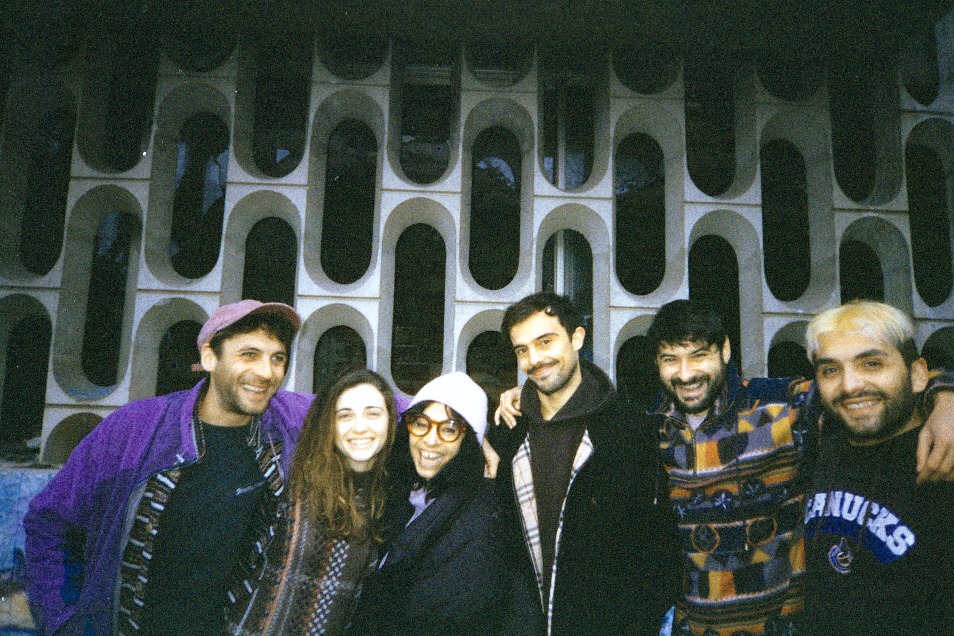
Andrea Hickman moved from the UK to Sofia and fell in with the local underground music scene. After a few years of partying there and being the silent seventh member of LKC (Low Key Collective), she recently launched XYZ — an agency for six Bulgarian artists who are well known at home and almost unknown everywhere else. We grabbed her between parties.
Growing up going out during a particular golden era — Hacienda in its final year, The End, Turnmills, The Cross. Nights that ran until the city woke up, rooms with real identity, sound systems tuned for the music rather than the volume. That era didn’t last, and for a long time, it felt like nothing would replace it. Then Andrea ended up in Sofia. We asked what it was about the city that made you stop looking, “Ohhhhh, the good old days. Those nights had a different emotional shape — long hours, sometimes through to mid-morning, rooms tuned properly for house and techno, strong venue identity rather than branding. Raw atmospheres. No social media performance. People danced for hours and hours, often with no advertised timetables.
“That’s exactly what I felt when I first stepped through the doors of the former Studio EW in Sofia. Intimacy on the dance floor — small parties, passionate DJs, people driven purely by love for the music. I recognised the feeling immediately. I’d been looking for it for many years.”
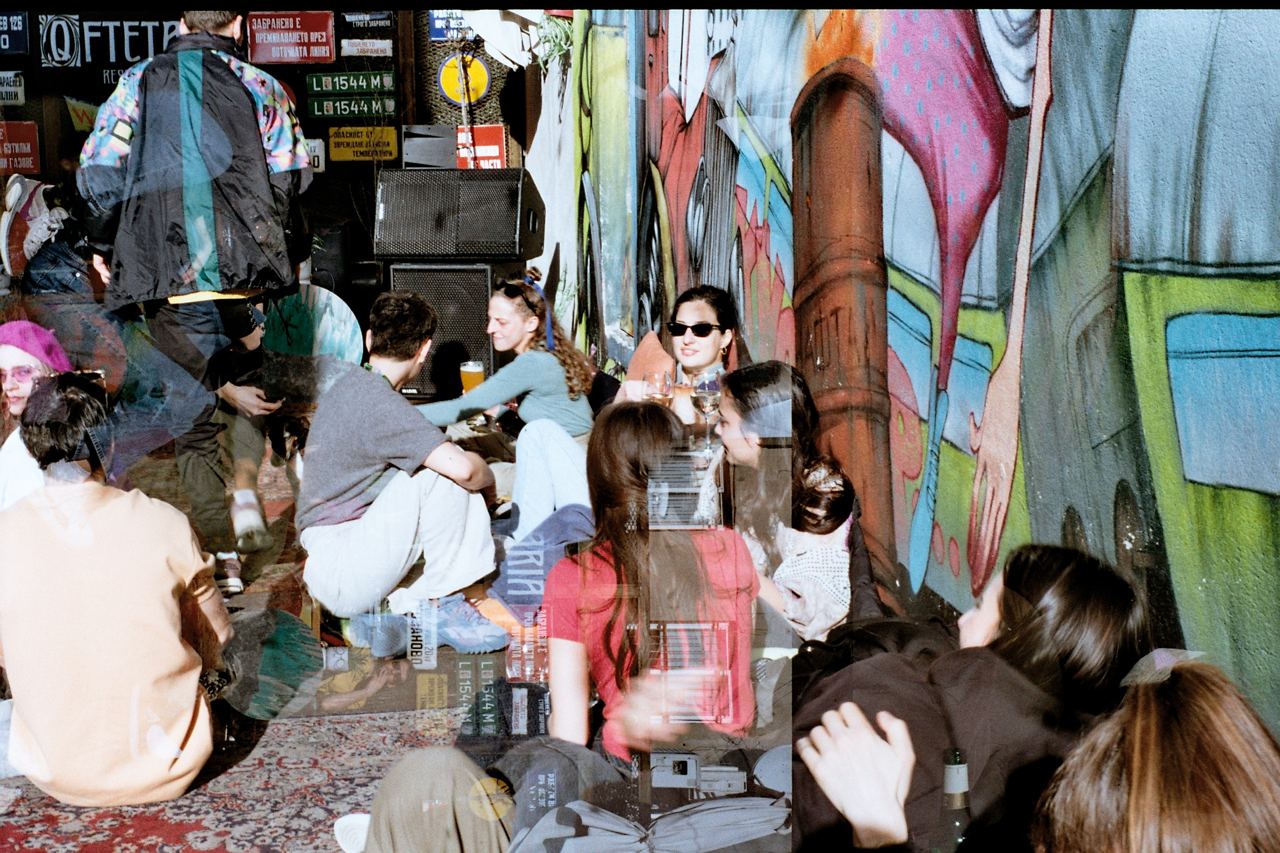
That recognition became Low Key Collective — three years of events built entirely on word of mouth, with a Telegram group as the only communication channel and no social presence to speak of. In a landscape where visibility feels like oxygen for most promoters, you’ve done the opposite. How did the community form around that, and why has staying off the grid felt so essential to what LKC actually is?
“Today’s landscape feels like it’s mostly built around the idea that bigger is better — louder, faster, more visible. We’ve always wanted to stay somewhere beneath the surface. Under the radar, but still creating enough energy to build a real atmosphere, a real proper party, and a real bond on the dance floor.”
“For our first birthday, we did almost zero promotion. Harry McCanna was our guest, and around 80 people showed up. At first, that felt slightly disappointing. But once the night unfolded, none of that mattered. The energy was electric. Success wasn’t measured by numbers — it was the feeling everyone left with, us included.
“Slowly, the numbers grew. For our third birthday, we had Tho as a guest and 180 people came through the door. We’ve built a solid core crowd — people turn up saying they heard about it through friends of friends of friends. The organic (and sometimes unorthodox) methods we use to spread the word- the best part is that it naturally draws in genuine music heads. People who actually want to be there, not people ready to leave by 2 am.”
Bulgaria sits right next to Romania, which spent the last fifteen years becoming one of the defining reference points for European underground music — a scene so distinct it generated its own aesthetic, its own mythology, its own global following. And yet Bulgaria, right next door, has barely registered outside its own borders. Why do you think that is — and for someone who’s been inside the Sofia scene for a few years now, what does it actually sound like when you try to describe it?
“This is a really hard one. From what I’ve seen, Bulgaria has always had something a little different about it — more low-key, less interested in building a mythology around itself. Romania developed a very defined sound and identity that felt like the centre of the universe for a while. It got a bit predictable at one point, but honestly, it inspired a whole movement the world over, and nobody can argue with that power.
“Here it’s stayed more fragmented and unpredictable. What I hear in Bulgaria is strong individuality — a real tension between influences. Artists here aren’t always concerned with fitting into one recognisable aesthetic. That gives the scene a rawness and freedom that feels distinct.
“I believe not that many have really tried to push the boundaries, to open the borders. Perhaps we will be the first to do it as a collective? Let’s see.”
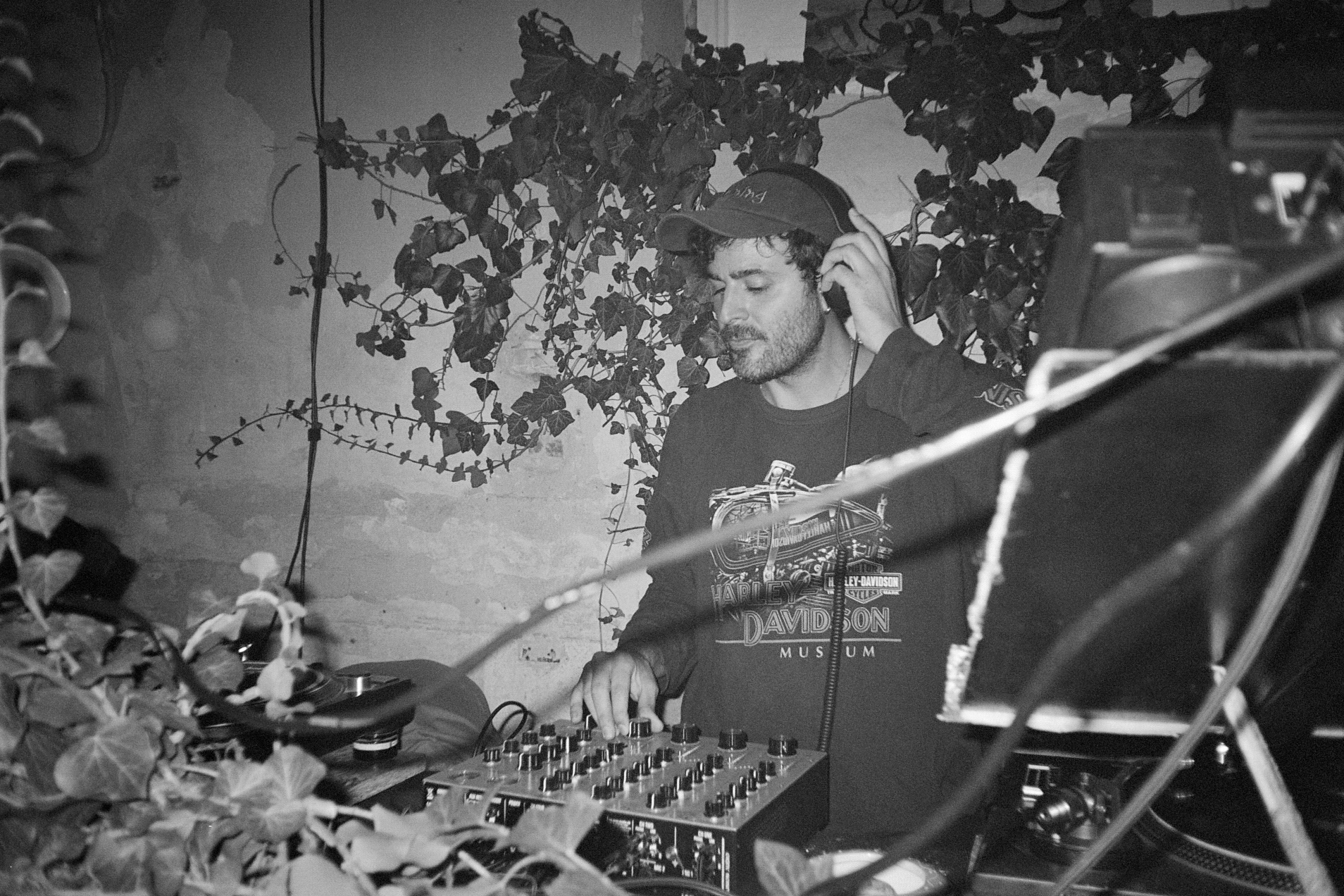
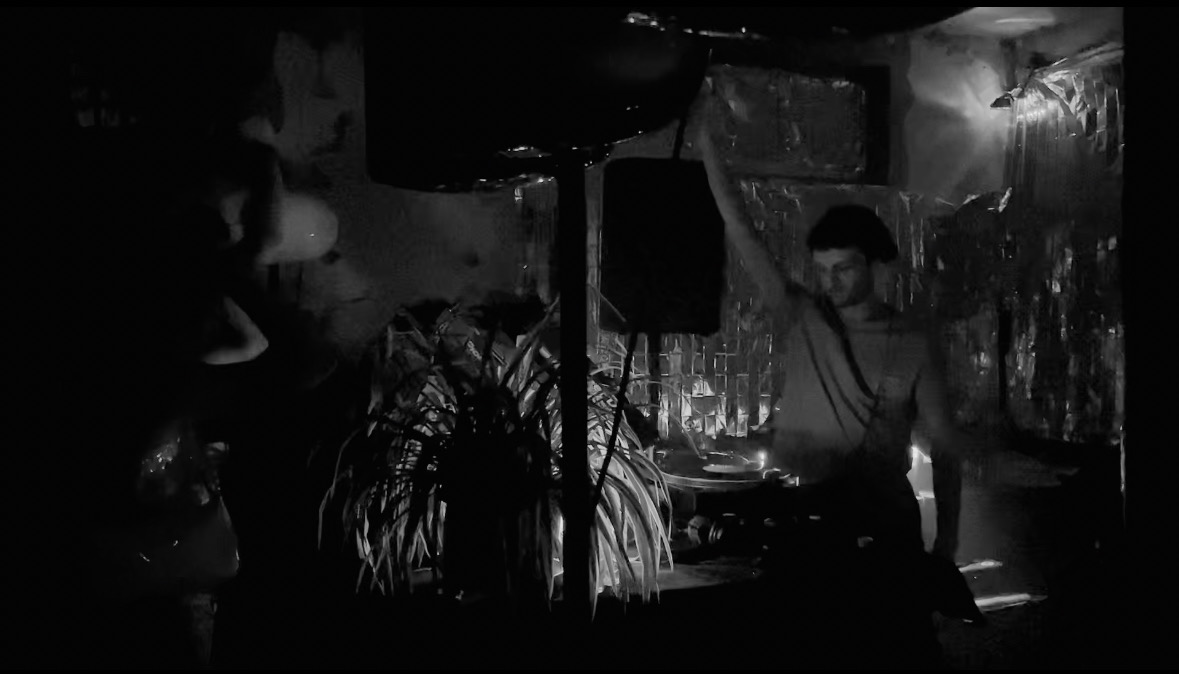
Andrea talked about Sofia feeling like a step back into something you thought had gone — the rawness, the lack of self-consciousness, the sense that people are there purely for the music. Put us in the room. What does that actually feel like at 7 am on a Sofia dance floor? “It feels like stepping outside of time. Raw, emotional, completely unfiltered. At 7am you’re just surrendering to it. Everything collides and melts into one, building relentlessly — like a heartbeat moving as one on the floor. Everyone is locked in, often until the sun rises and sets again.
“I have friends from London who save their time, energy, and dance-floor itch specifically to come to Sofia. We often have incredibly long after-hours — once at the legendary Smolianska 12, now at Zhivko Nikolov. That’s where the magic happens. When everyone comes together, listening to records that only an afters can bring to life.”
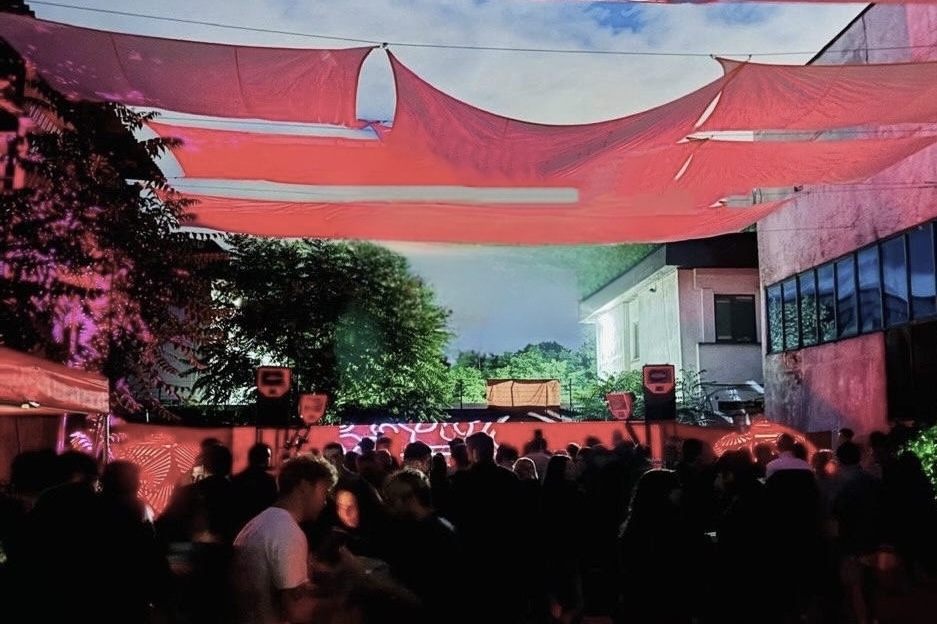
XYZ launched with six artists — Deyan Dimitrov, Mario Milev, Kiril Dimchev, Raya, Ventsislav Gendov and Velibor — all deeply established within Bulgaria, all largely unknown outside it. The idea of building an agency around them had been sitting with you for a while, and then something shifted. What actually pushed you to make the move? “Honestly, I’d been sitting with the idea for a long time. Quietly, in the background. A bit stuck. Not feeling like any time was the right time.
“Then came a special LKC afterparty following tINI and the gang. At some point during a sun-soaked afternoon, I had this really memorable conversation with tINI. We were talking about how talented the crew here is — she’s played Sofia a few times, heard many of the local artists — and how I genuinely felt these artists deserved to be represented properly. To be part of something bigger without losing what made them special in the first place.
“I told her I felt the scene deserved an agency that truly understood it. And she just looked at me and said, ‘Why don’t you do it?’
“Something about hearing it out loud made everything click. After that the idea stopped feeling hypothetical and started feeling necessary. That was the moment I reached out to Isis for mentoring — I knew immediately she was the person who could guide me in the right direction.”
The agency’s stated principle is quality over quantity — a phrase that gets used a lot in this industry, often without much behind it. For XYZ, where the whole point is to introduce these artists to new contexts without diluting what makes them interesting, what does it actually mean in practice? What kind of bookings would you walk away from? “I’ve watched a lot of artists move from underground to mainstream and lose the very thing that made them special. None of us is chasing endless weekends packed with gigs, inflated fees, or visibility for the sake of it.
“We’ll turn down anything that doesn’t fit with the ethos — full stop. A great party, the right crowd, the right sound, the right energy — that matters more than big line-ups or big numbers.
“There’s a certain sadness in watching promoters and artists I once loved get consumed by scale and hype. When talking to some agents, I feel they’re more about money than actually being the face of the DJ they represent. For us, it has to stay about the music first. I’m proud we all share that vision. We challenge each other constantly — and I think that keeps us fresh.”
The booking world runs on relationships, access, and knowing the right people — which doesn’t always map neatly onto talent or quality. Andrea is coming into it from the outside, representing artists from a scene that most European promoters haven’t engaged with yet. We asked what the early months have shown you about how it actually works — and where Bulgarian artists fit, or don’t, inside it? “It’s still very early days, and I’ve got a lot to learn — especially around networking and how it really works. Like most industries, it’s clearly not built purely on talent. It’s access, relationships, who’s in the right rooms. That side of it makes me a little uncomfortable, honestly, so I need to work out how to navigate it without losing myself.
“Looking at the region — Bulgaria, Romania, Greece, Croatia, Slovenia, Serbia, Albania — there’s still surprisingly little real cross-border collaboration. A lot of line-ups feel closed and repetitive. I believe if a festival or party comes into your country, you should at least make connections with the local music scene. I really admire Omana Festival for that — there I see a genuine effort to work with and elevate what’s around them.
“Right now, we don’t neatly fit anywhere. That’s partly why I started the agency.”
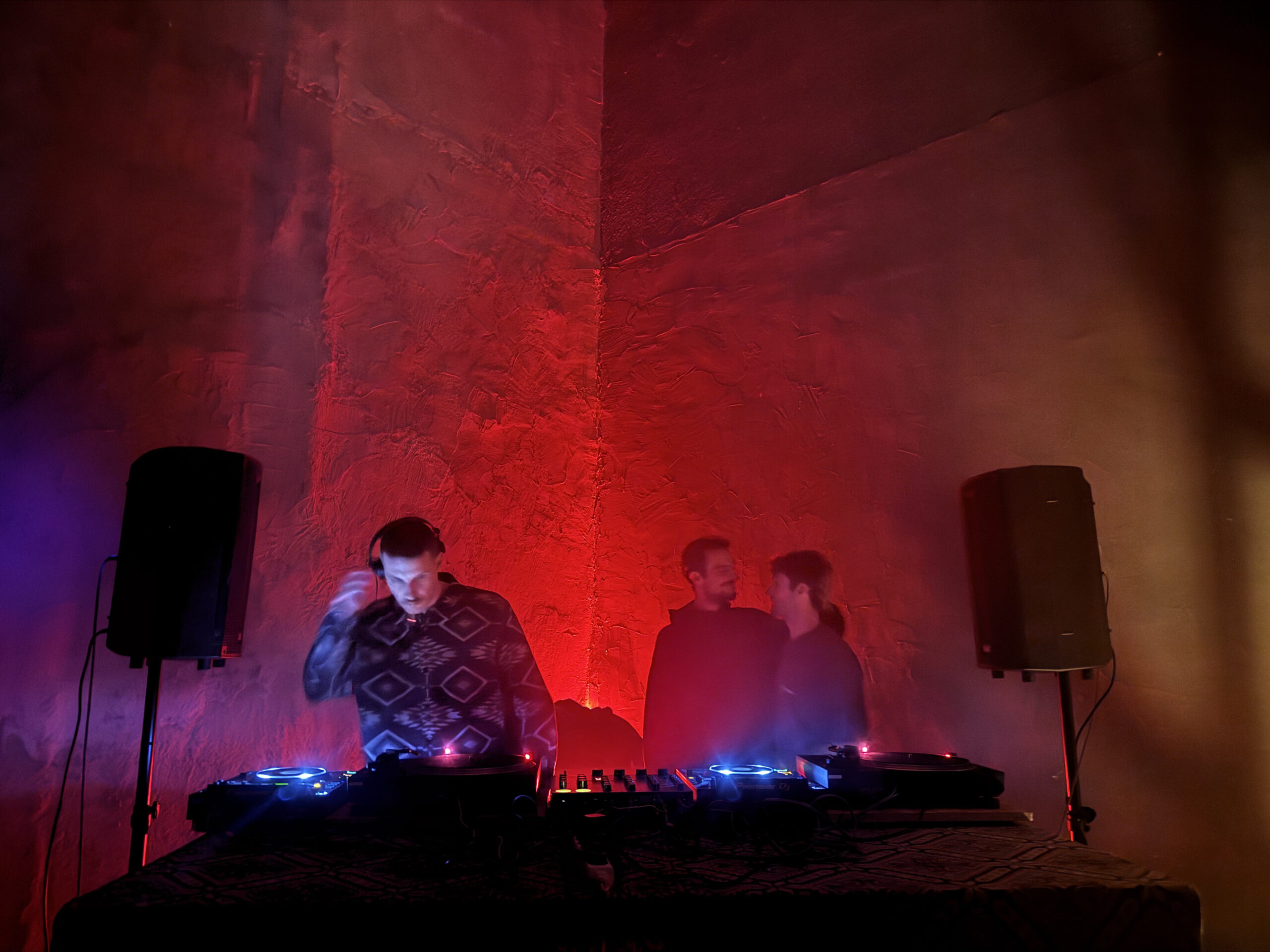
Industry favourite and leading example Isis Salvaterra, has been mentoring Andrea through the launch — someone with real experience building things with integrity in this industry. Beyond the obvious business mechanics, what’s the most useful thing she’s actually taught you about what this role requires? “One of the biggest things she’s drilled into me is that being an agent is not the same as being a manager. Your job isn’t to run around after artists or get pulled into every small operational detail. It’s to build positioning, open the right doors, and protect the bigger picture — not to become reactive to every request.
“That shift in mindset is important. It’s easy to blur those lines and end up servicing everything instead of actually steering anything.
“She’s also been honest about the other side — that artists need to take responsibility too. They should be actively opening doors, networking, being proactive, not just waiting for things to come in. Her advice was simple: put your energy into the artists who understand that dynamic and meet you halfway.”
A year from now — not commercially, but in terms of what gets heard, who hears it, and how the Bulgarian scene is talked about — what would make this first chapter feel like it meant something? “It won’t be about scale or numbers. It’ll be about whether people outside Bulgaria have actually heard what’s started to happen here — and whether the perception has started to shift from ’emerging’ or ‘regional’ into something with its own identity and depth.
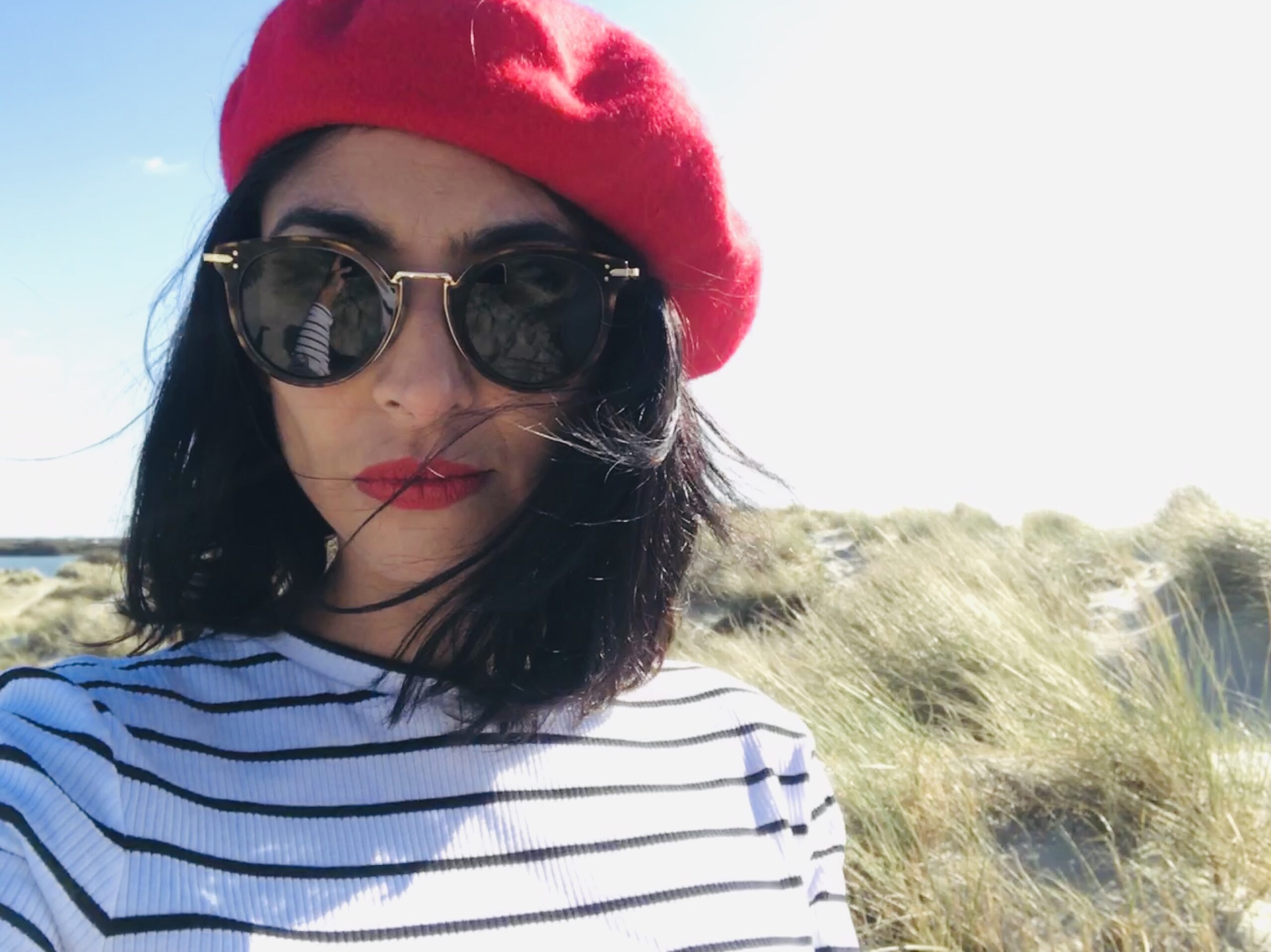
“For me, it will mean that when people talk about this scene, it’s not just individual names floating around. It’s a connected energy coming out of Bulgaria that feels real, consistent, and hard to ignore.
“If in the next year we put on a few events here and a few showcases abroad, I think we’ll all be happy. We’re realistic. Success won’t happen overnight, or even within a year. It’s a long road — and dedication is the key.”
More info on XYZ Agency
Instagram
More info on Low Key Records
Instagram
More info on Low Key Collective
Instagram
More info on The Hosts
Instagram