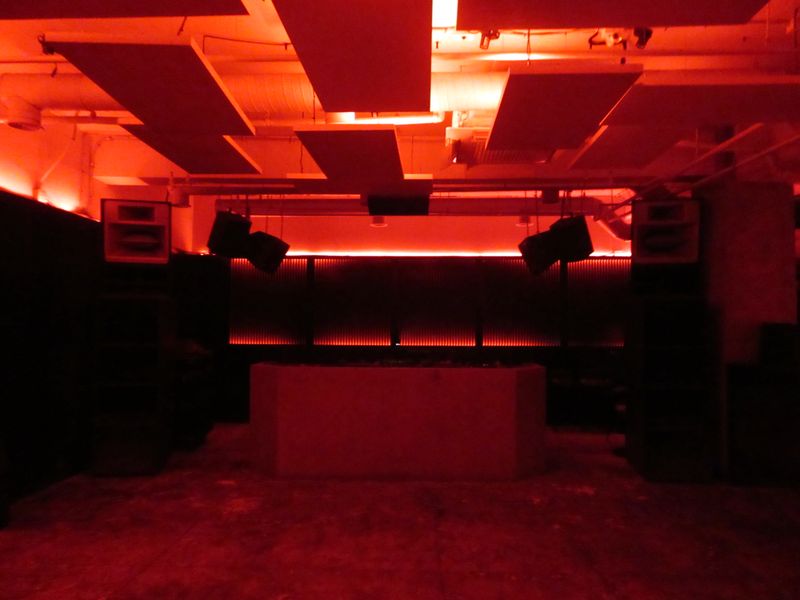
The electronic music landscape in Seoul has developed gradually over the years, with the underground in particular shaped by a growing network of dedicated dance spaces. One of those is Teller in Itaewon, founded by Kibum, who also serves as Music Director of The Air House Festival. Across both projects, his focus extends beyond simply programming music, towards creating environments where sound, space, artists and audiences can connect.
Kibum’s own introduction to electronic music came from an unexpected place. “It actually started at fashion shows,” he explains. “I became curious about the music I was hearing and started digging into it, which naturally led me to search for the spaces where this kind of music was being played.”
Discovering Korea’s underground scene left an immediate impression. “I had a strong feeling that I wanted to be part of it.” What interested him most was not simply the sound, but the individuality of the people behind it. “I saw artists focusing on themselves rather than following trends, constantly exploring who they were and what they wanted to express.” Over time, that curiosity developed beyond playing music. Kibum became increasingly interested in the spaces surrounding it and the experiences those environments could create. That thinking eventually led to Teller, a compact underground club in Seoul’s Itaewon district.
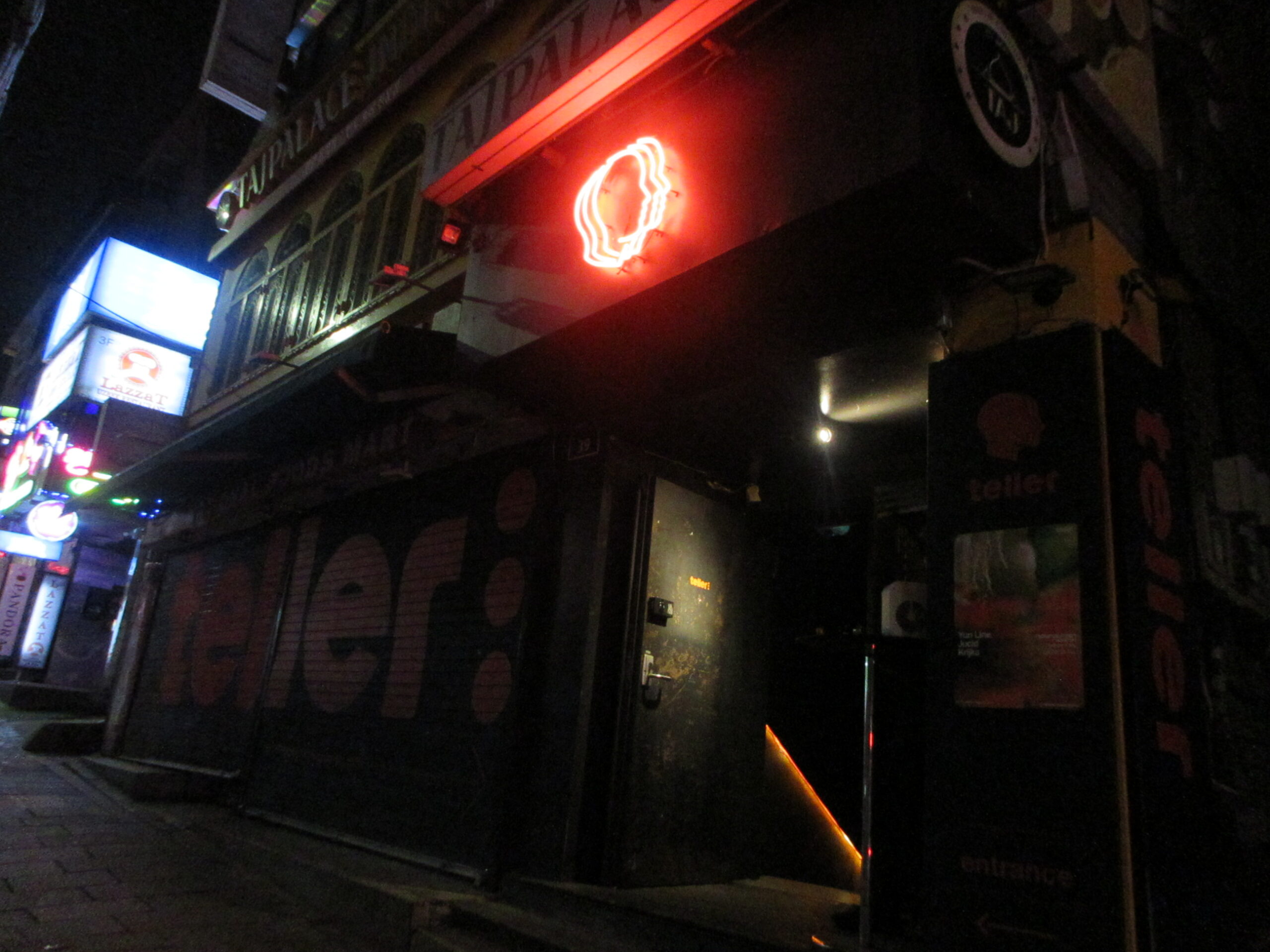
The Korean scene he encountered in those earlier years has evolved considerably since. “In the past, thanks to the foundations built by earlier pioneers, much of the scene was about bringing in and introducing cultures from abroad,” he says. “Today, more and more artists and spaces are developing their own identities and philosophies.” Seoul itself creates an interesting environment for that development. A city known for rapid change, its underground culture moves at a noticeably different speed. “The underground scene tries to move at its own pace, slowly building its own culture. I think that’s one of the most distinctive things about electronic music here.”
The geography of Seoul’s venues also plays a part. Many of the underground clubs are concentrated around Itaewon, often only minutes apart. That proximity allows clubbers to move easily between spaces over the course of a night, experiencing different sounds and atmospheres within a relatively small area. It also creates pressure for individual venues to stand out. “Each club has to think more deeply about its identity and what makes people want to stay,” Kibum explains.
At Teller, that identity begins with the name itself. “Teller carries the idea of someone who tells a story.” Rather than defining that story through one particular genre, the club moves between house, minimal, techno and ambient while maintaining a wider philosophy around how a night should feel. “For me, Teller is a club where everyone involved – myself, my partner, the DJs, bartenders and the people welcoming you at the door – all coming together to create one experience.”
That experience extends beyond what is happening in the booth. “It’s the first impression when you enter the club, the energy of peak time, the atmosphere as the night reaches its final moments, a drink handed to you at the bar, the scent of the space and the sense of community you share with the people you meet there. I hope all of those things come together and remain as one memory.”

His approach to booking follows a similar philosophy. Rather than focusing entirely on popularity, Kibum is drawn to “artists who have their own language.” “I’m drawn to people who have spent a long time developing their own music rather than simply following trends, artists who can tell their own story through what they play.” Bigger names still have an important role, but only if they make sense within the wider identity of the club. “A good DJ isn’t simply someone who plays good music. It’s someone who can read the room and create something together with the audience.”
For Kibum, one of the biggest challenges of operating a club is also one of the simplest: continuing. “Running a club also takes more than just good music. There is always a balance between what you ideally want to create and what is realistically possible.” The rewards come when that effort connects. Seeing someone fully immersed in a night, or hearing an international artist say they would like to return to Teller, provides reassurance that the ideas behind the space have translated successfully. “Those moments are what keep me doing this.”
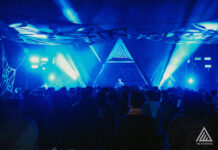
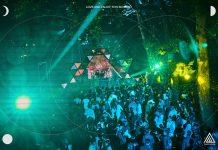
That same philosophy expands through The Air House Festival, where Kibum works as Music Director. While Teller asks him to consider the journey of a single night, The Air House stretches that thinking across three days and two nights. “Music, nature, space, people and the time spent there all become part of one continuous journey.”
Rather than expecting everybody to experience the festival in the same way, the team intentionally leaves room for different approaches. Some attendees may spend hours dancing, while others might disappear into nature, rest, talk to friends and return to the music later. Each stage has its own identity, but the programming is designed so that those individual spaces still feel connected to the festival as a whole. “I don’t think a great festival experience exists only in front of a stage,” Kibum says. “Looking at a beautiful landscape, walking somewhere, having an unexpected conversation with someone you’ve just met and then finding your way back into the music; all of those moments are part of The Air House.”
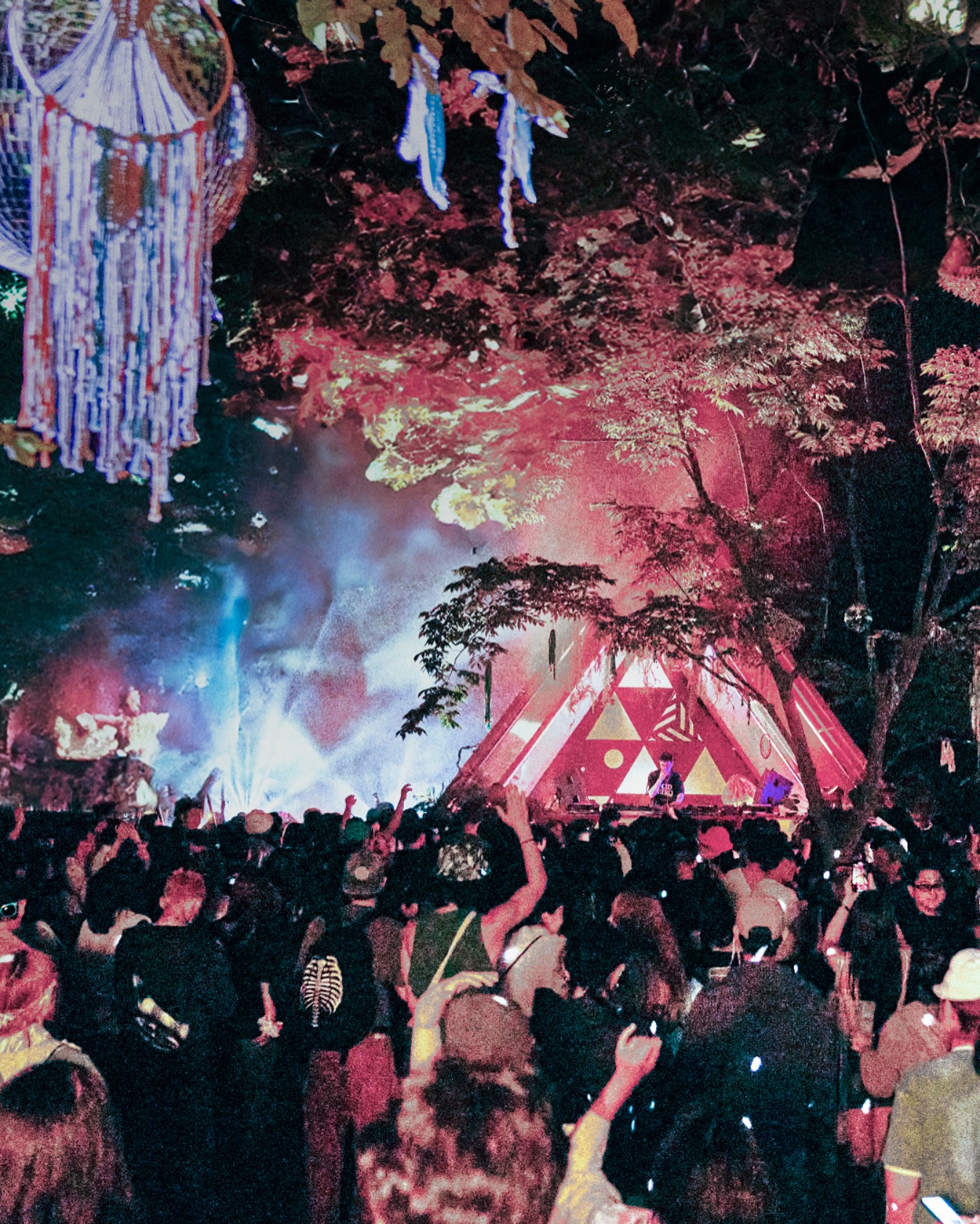
The same applies to visiting artists. “I don’t want The Air House to be somewhere artists simply come to perform and leave.” Instead, he hopes they stay, listen to one another, meet people and experience both the festival and Korea for themselves.
That focus on the overall journey also shapes the way lineups are constructed across both projects. “Individual names are important, but more than anything I think about the flow of the entire day from the audience’s perspective.” At Teller, that means avoiding a night built entirely around one headline guest. Residents and local artists remain essential to creating the beginning, middle and end of the experience. At The Air House, the same principle becomes more complex across multiple stages and several days.
Discovery remains equally important. “I love the idea that someone might come to see an artist they already love, then accidentally hear someone whose name they didn’t even know and discover something new. I think there should be room for both: the certainty and excitement that established artists can bring, and the unexpected pleasure of discovering someone new.”
“Ultimately, I don’t want to create a lineup that’s simply a list of good names. I want to create one that people can enjoy from beginning to end, while still encountering moments they didn’t expect.”
Kibum’s connection with the wider international underground has continued to deepen, including through Romanian artists visiting Korea. He recently played back-to-back with Cosmjn after a friendship developed over several visits. “Playing together was simply a lot of fun. Sharing music with him and connecting with the audience together felt very different from playing alone, and that was a new and genuinely enjoyable experience for me..”
Romania’s wider scene has also become a point of inspiration. Kibum was drawn to both the music and the culture surrounding it, particularly the way artists developed a recognisable language over many years. “I don’t necessarily think the Korean and Romanian scenes are musically similar,” he says. “Their histories and environments are very different.” What he does admire is the way that identity was allowed to form naturally. “I hope artists and spaces in Korea can continue building a culture of their own in the same way. If one day people travel to Seoul because they’re looking for something they can only experience in Korea, I think that would be really special.”
Looking ahead, Kibum remains positive about the direction Seoul is taking. More artists and venues are finding their own voices, but the challenge will be creating an environment where those projects can survive long enough to develop properly. “If people can continue doing what they believe in for a long time, I think the scene will naturally become deeper, and as it becomes deeper, it will naturally grow as well.”
Through Teller and The Air House, Kibum hopes to play his own part in that process: introducing international artists, creating more opportunities for Korean talent and strengthening connections between Seoul and other cities. Neither project, he is careful to point out, represents Korean culture as a whole. They are instead two personal interpretations of it, built around the music and communities he believes in. “I do think both Teller and The Air House honestly reflect how our team and I are trying to contribute to the music and culture we love here. If you’re visiting Seoul for the first time, I hope you’ll come and experience a small part of the culture we’re building right now.”
More info on Teller
Instagram | RA