China’s underground electronic music landscape has been shaped by a growing network of clubs, promoters and artists. In Beijing, ZhaoDai has long been one of the key spaces in that story. Now, the club has expanded, opening a new music venue in Shanghai called REACTOR. During Trommel’s recent collaboration at the club, we sat down with the team to talk about the history behind it, the evolution of electronic music in China and the growing appetite for underground sounds.
ZhaoDai first opened in Beijing in 2017, although for Fu Yan, one of its founders, his involvement with electronic music stretches back much further. “I’ve been doing this for 27 years,” he explains. His early work as a promoter brought international artists into China long before the current wave of clubs began to take shape. “Back in the early 2000s, we brought the likes of Sven Väth, Daniel Bell, Brett Johnson and a number of DJs from San Francisco and New York.” Whilst others on the scene were more focused on music that was famous or commercial, Fu Yan and the collective around him were very much into house and techno. “We wanted to stay with the underground.”
That philosophy has remained central to ZhaoDai, even as its musical direction has continued to evolve. Over the years, that approach has brought artists such as Fred P, tINI, Anthea, Shonky and other selectors from across Europe and the US to Beijing, creating a programme built around depth rather than a single genre.
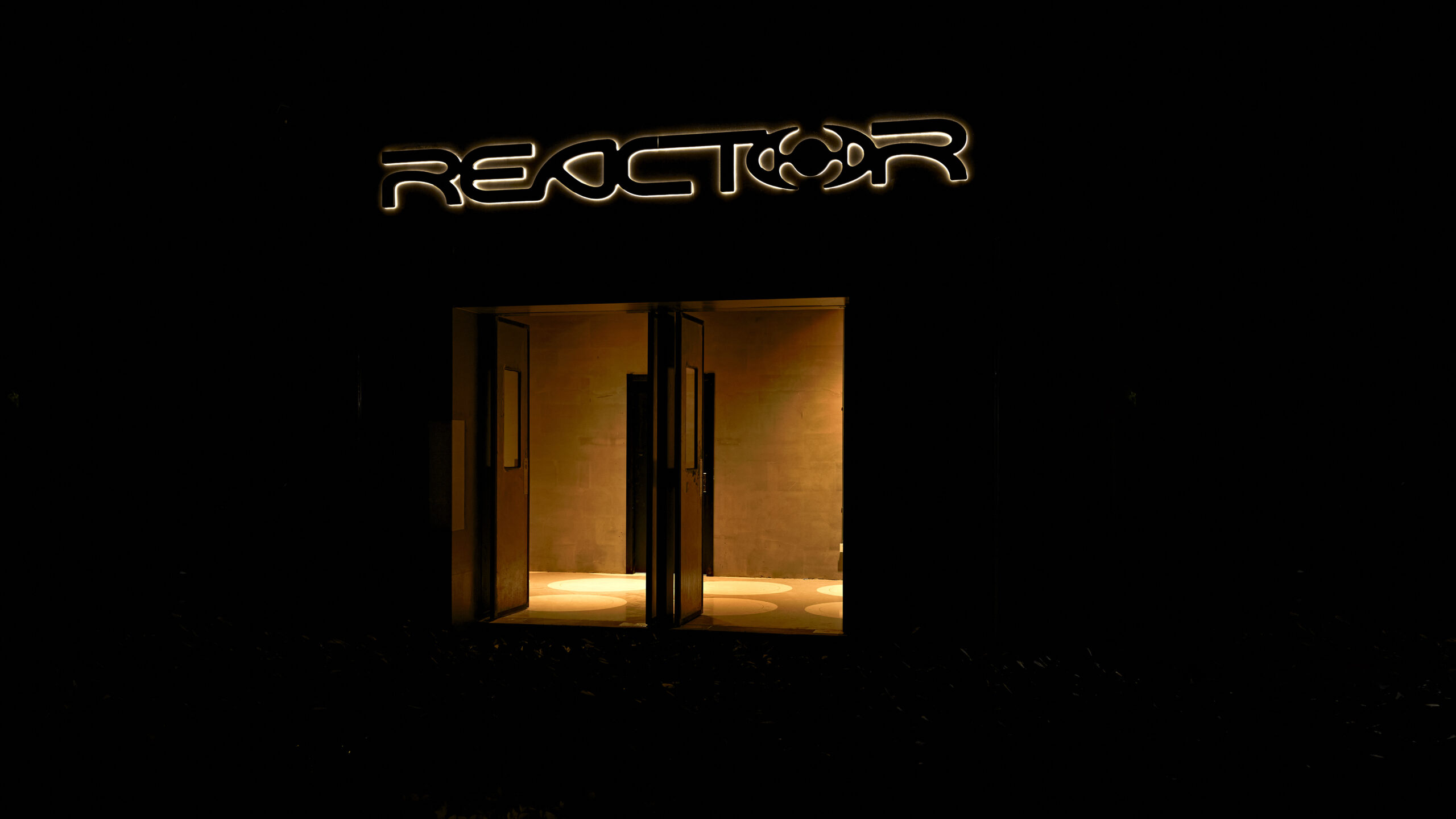
The decision to open REACTOR in Shanghai came from a long-standing relationship with the city. Fu Yan had already been bringing international DJs there for more than two decades, since he founded the renowned, now-closed club Rabbit. REACTOR became a way to apply that experience to a city whose nightlife is booming, but whose underground electronic infrastructure remains relatively concentrated. “For electronic music, Shanghai is still relatively small. Before, there wasn’t really a professional underground club with strong bookings, a good sound system and the right venue together. We wanted to create something for a new generation.”
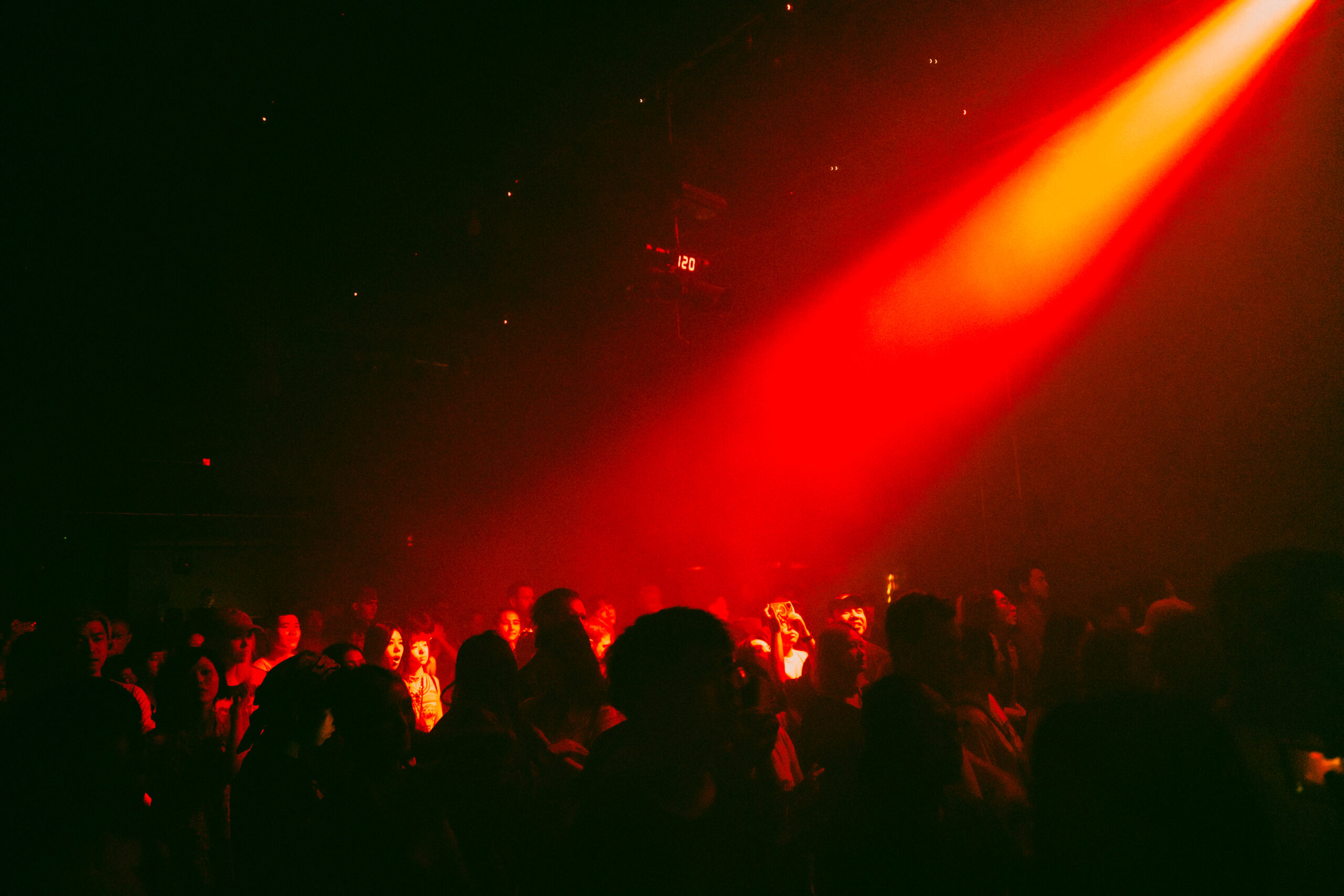
The project also extends beyond the dance floor. Alongside REACTOR, the team has developed a vinyl library. Records can be borrowed, listened to and returned, creating another way for people to access music without building a collection from scratch. “People don’t need to spend so much money. They can borrow the vinyl, listen to it for a few months, then bring it back and change it for something else.”
For REACTOR resident JiaHao, that emphasis on discovery mirrors his own journey through the scene. He began DJing around 2018 and joined ZhaoDai the following year, initially behind the bar before moving through different roles at the venue. “I started as a bartender, then became a manager and started DJing and doing parties there.”
From his perspective, the Chinese scene has accelerated significantly in recent years, particularly after the pandemic. “More and more people started DJing,” he explains. “But the culture here is still not as open and it can be difficult to find new music, podcasts or information from Europe.” That lack of easy access has made local curation particularly important. Rather than expecting audiences to already know an international artist, clubs like ZhaoDai often introduce them in detail before a booking.
“We use WeChat a lot,” JiaHao tells us. “Before a party, we create an introduction in Chinese. We don’t just write the artist bio. We search their interviews, include their sets and podcasts and explain who they are.” Even major underground artists elsewhere may be relatively unknown to a Chinese audience. “People might not know the DJ at first, but once they listen and realise they like the music, they come to the club.” For JiaHao, that process is part of building something deeper than a nightlife trend. “More people are starting to see it as a lifestyle, not just going out clubbing. They start digging, listening to new music and understanding the culture around it.”
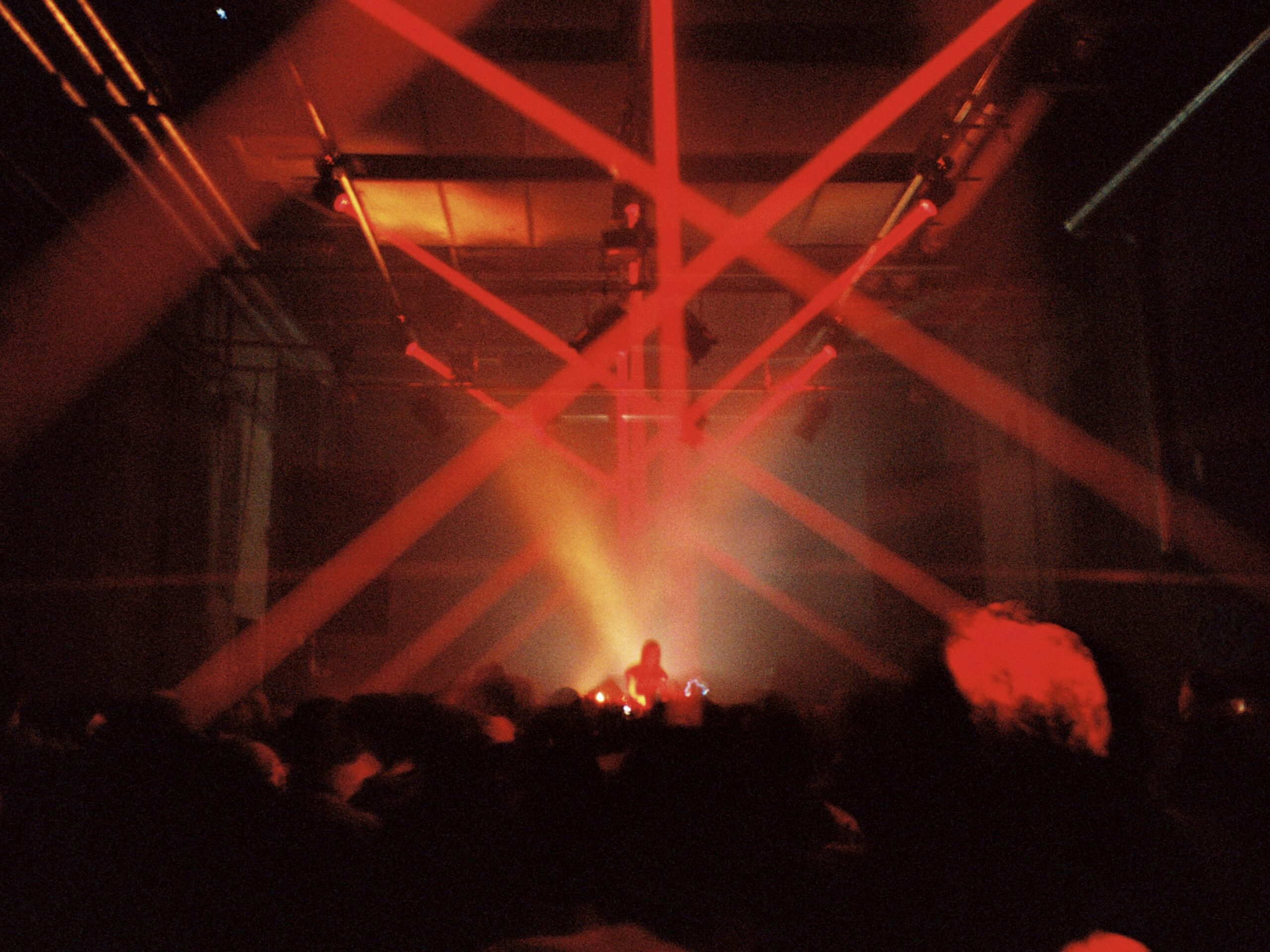
His own contribution extends beyond ZhaoDai through his party series House of Visions. The project brings together international and local artists, alongside collaborations with other collectives. “I like inviting artists that I really want to hear. I enjoy digging, playing new music, doing parties and sharing that with people.” House of Visions has since grown beyond Beijing, with JiaHao beginning to take the project into Shanghai and other Chinese cities.
His influences reflect that same breadth. Jane Fitz stands out particularly after a six-hour set at ZhaoDai left a lasting impression. “It wasn’t only the music,” JiaHao says. “It was the skill, the patience and the feeling she brought to the dancefloor.” He also points to Lamache, Fred P and Francesco Farfa, whose ability to move through different styles has shaped the way he thinks about DJing. “It’s about the feeling they bring and the way they can take people into their own mood.”
Beyond the clubs themselves, Fu Yan has also spent several years developing ZhaoDai On Leave, an outdoor festival that emerged during the pandemic. Now approaching its sixth edition, the festival has grown considerably, attracting several thousand people across daytime garden stages, nighttime programming and after-hours events. Traditionally held in May, this year’s edition has moved to September following the opening of REACTOR.
The team’s ambitions in Shanghai also stretch further. “For the future, we want to create not only a festival, but an electronic music conference. There would be DJs and parties, but also talks and conversations around the music.”
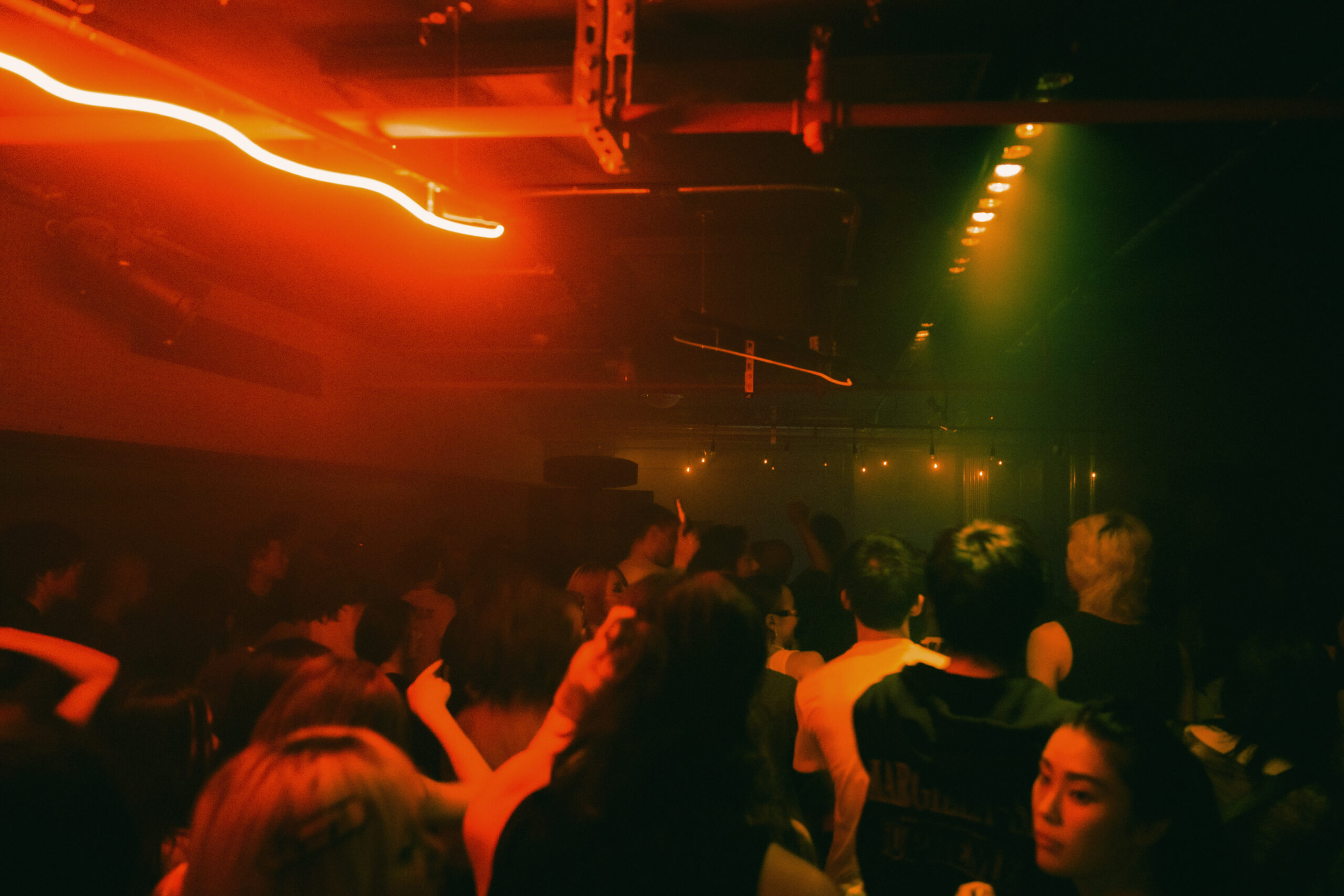
For REACTOR, those plans point towards something bigger than simply establishing another club. Trommel’s visit offered an early look at that process. From ZhaoDai’s long-standing base in Beijing to REACTOR’s new home in Shanghai, years of booking artists, educating audiences and creating spaces for discovery are now being carried into a new city, while local figures such as JiaHao continue to build communities from within.
China’s underground may still operate differently from the scenes more familiar to European audiences, but that difference is part of what makes it interesting. As access grows and more people begin treating electronic music as a culture rather than simply a night out, ZhaoDai and REACTOR are helping create the conditions for something increasingly self-sustaining.
More info on REACTOR
Instagram | RA