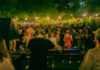
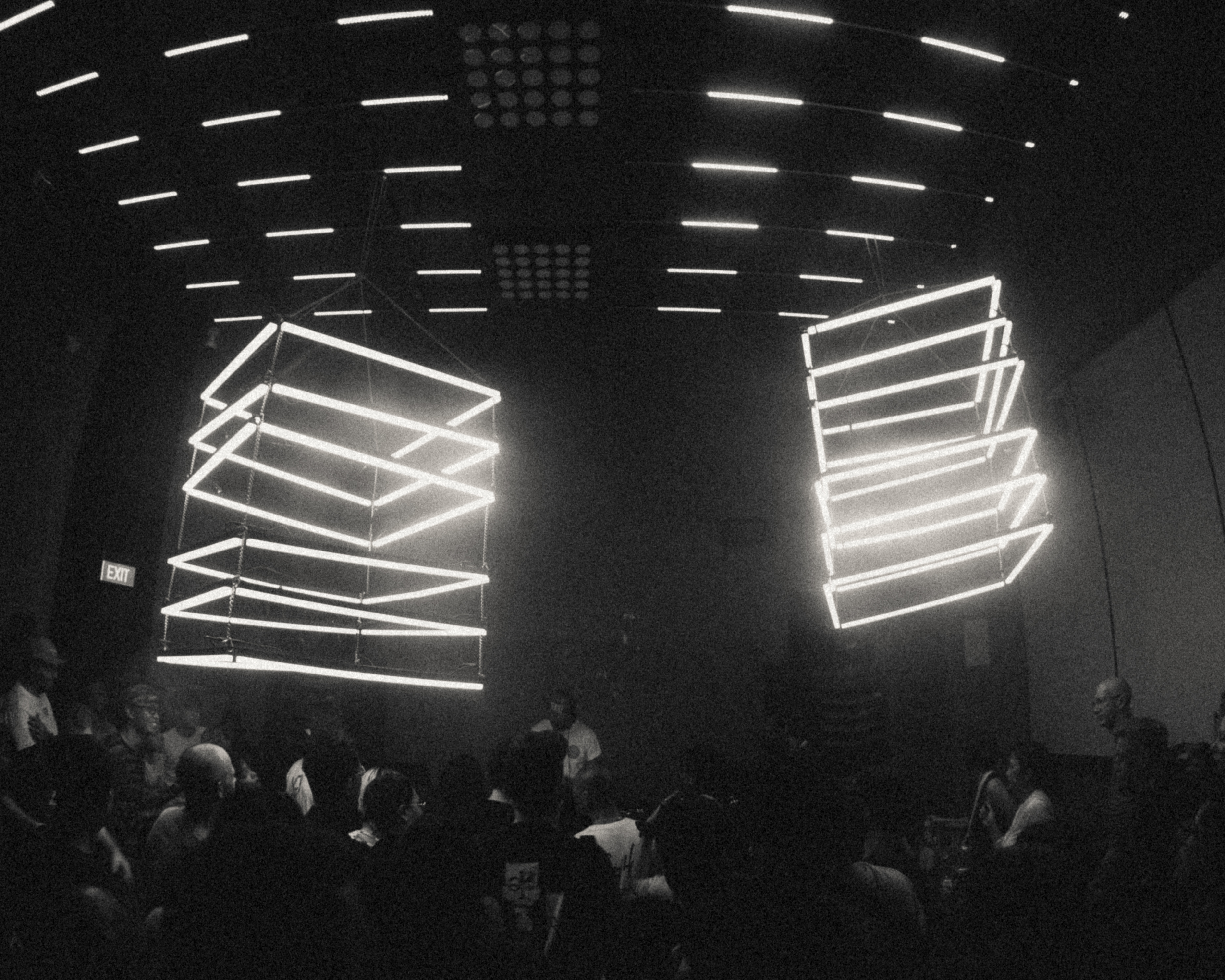
Singapore’s nightlife has continued to evolve in recent years, with a growing number of spaces looking beyond the traditional boundaries of a club. Among them is RASA, a venue built around the idea that music, art, food and community do not need to exist separately. Instead, the space has been designed to shift in character depending on the time of day, the programme and the people inside it.
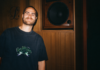
To understand the environment RASA has emerged from, we spoke with longtime Singaporean DJ, promoter and curator Zig Zach, alongside RASA co-founder Kavan, looking back at the city’s underground roots before turning towards the club and its wider ambitions.
For Zig Zach, Singapore’s electronic music culture has always been deeper than outsiders might assume. “The scene here has always been more interesting than people give it credit for,” he explains. “Ever since the ’90s, Zouk brought in world-class artists to perform and that really gave the city its music education, exposing people here to different sounds and styles early on.” That early exposure helped build an audience with a strong understanding of electronic music and eventually, a more independent culture beneath the city’s mainstream nightlife. “Once you look past the mainstream surface, you find incredible producers, labels, DJs and DIY crews doing amazing work.”
Singapore’s position as a major international city has also meant that respected artists frequently appear in comparatively intimate settings. “We’re honestly pretty spoiled with the constant stream of top-tier international artists coming through,” Zig Zach continues. “Getting to see these massive names play in small, intimate rooms sets a crazy high bar for local DJs and producers.”
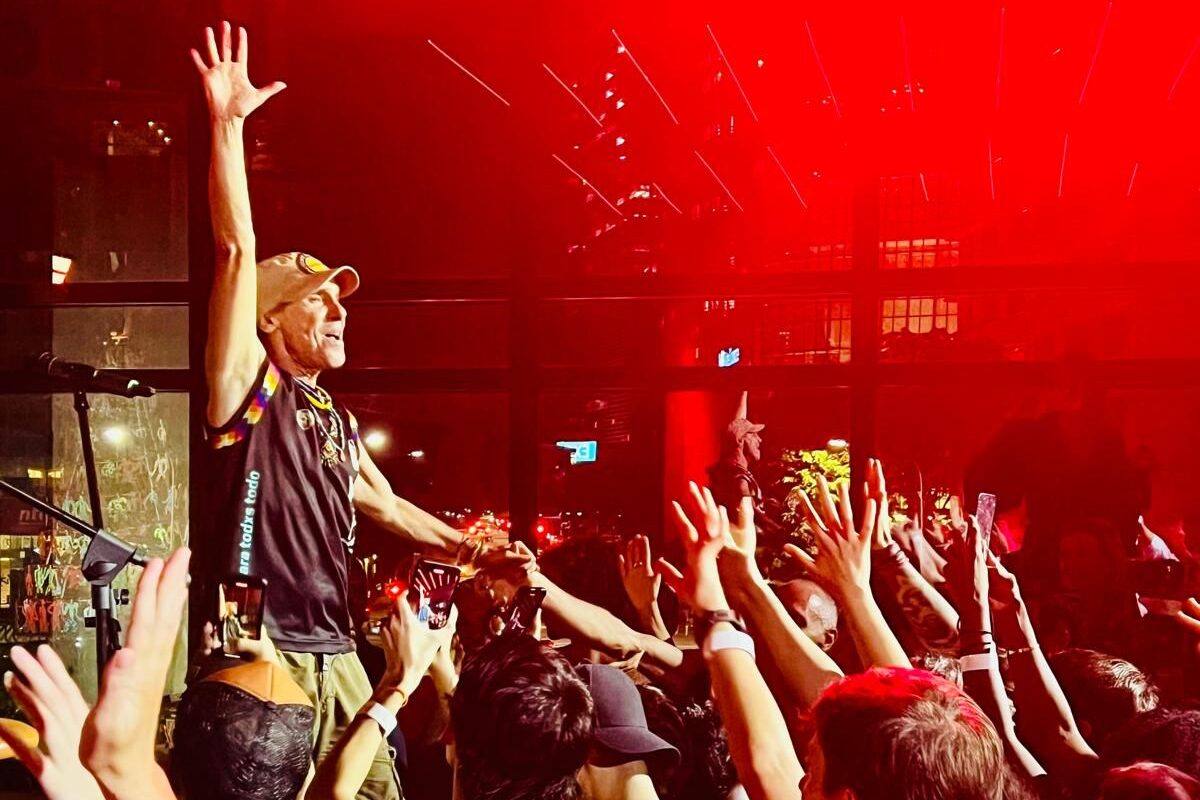
His own relationship with the scene has developed across several roles. DJing taught him how directly the dance floor communicates, while promoting revealed the practical realities behind making events work. “As a DJ, you learn the room in real time. The dance floor tells you the truth whether you like it or not,” he laughs. “Promoting taught me the economics of it all, everything from artist booking to renting spaces to actually running the event. You learn early that a good team makes or breaks your night.”
Those experiences eventually fed into Blackout Agency, created from a desire to build something independently rather than remain restricted by existing club structures. “As with most collectives, it always begins with wanting to play your own music, not being told by a venue or promoter what to play or what sound to stick to. As a creative, it’s really important to build your own identity, your own style and your own community.” Blackout became one of the earlier crews to regularly transform unconventional spaces into temporary clubs. “Back then it was mostly just club nights happening in Singapore and I got tired of playing by club rules. So we stepped outside the existing club system and started running things independently, on our own terms.”
That DIY approach helped broaden the idea of what an electronic music platform could become and it’s within this wider shift towards more independent and flexible cultural spaces that RASA arrived. “We wanted to create a space for music, art and culture that could change its character across the day and week,” Kavan explains. “Somewhere that could host community gatherings, exhibitions, food, conversations and corporate events, but also transform into a serious music venue at night.” While Singapore already offered bars, clubs and traditional event venues, the team saw an opportunity to approach the experience more holistically. “We felt there was room for a more considered cultural space: one where the sound system, interior design, hospitality and programming were treated as parts of the same experience. We wanted it to have personality and to give people a sense that something genuine could happen there.”
Its CBD location was also intentional. Rather than placing the venue within an established nightlife district, RASA sought to introduce independent culture into a part of the city more commonly associated with offices, finance and commerce. “We wanted to create a meeting point for communities that might not otherwise cross paths.” Since opening, that original idea has continued to evolve. “We’ve had to learn what the space, the audience and the city actually need, rather than rigidly holding on to our original assumptions,” Kavan says. Music remains central, but today the programme stretches across corporate events, community projects, markets, talks, performances, dining experiences and private gatherings alongside club nights.
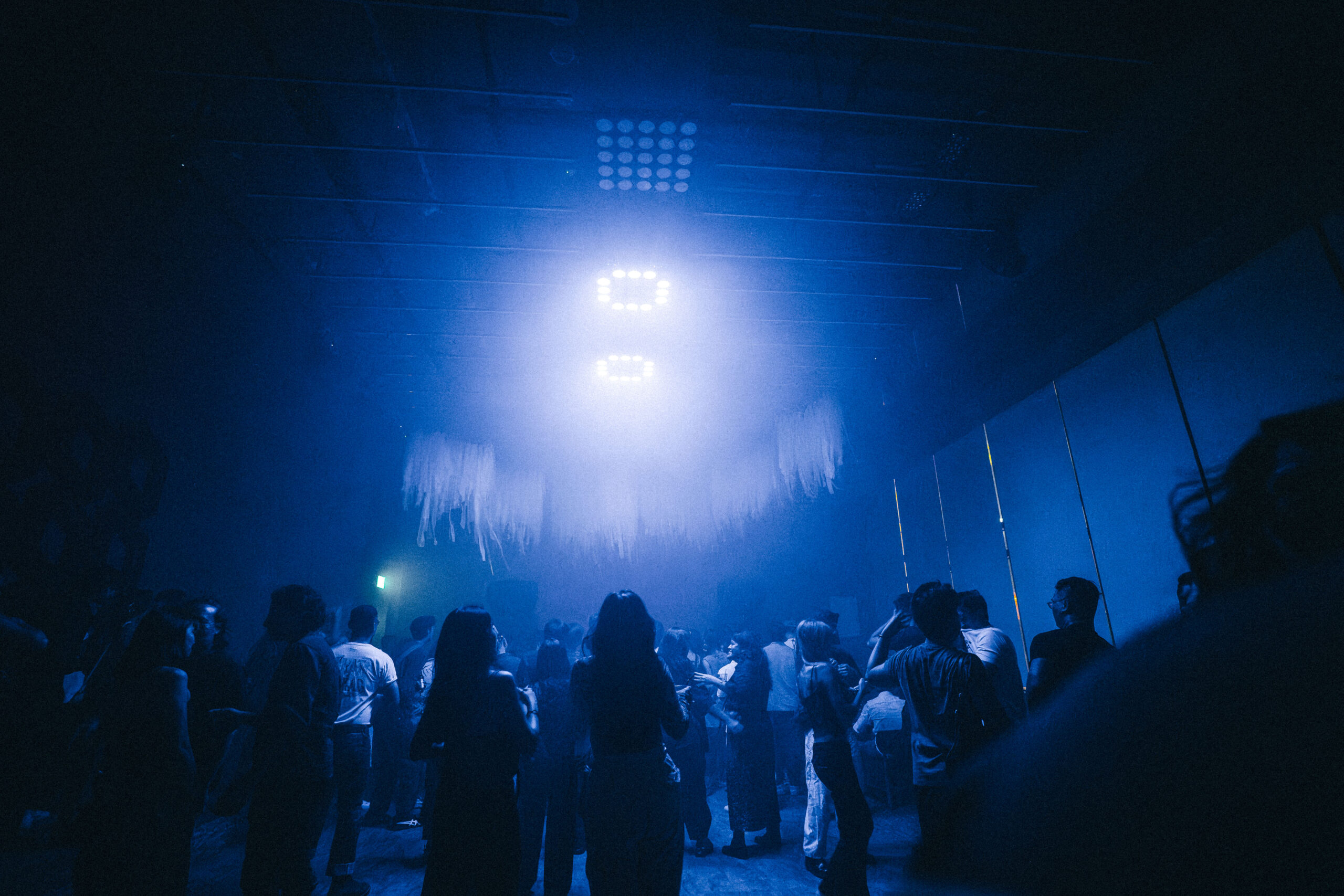
One unexpected result has been the crossover between those audiences. “Different nights can attract completely different communities, but there is also a degree of crossover. Someone may first discover RASA through a daytime event or dinner and later return for the music, while a club regular may begin to see the venue differently through one of our cultural or community programmes.”
For both Kavan and Zig Zach, musical identity remains particularly important. Zig Zach puts it simply: “Musical identity first and foremost, then their ability to read and connect with the room.” At RASA, that philosophy translates into giving Singaporean artists the same conditions afforded to visiting guests. “Singapore has artists with the knowledge, individuality and ability to stand alongside established international names,” Kavan says. “They deserve to be heard under the same conditions: with a serious sound system, proper production and an attentive audience.”
Just as importantly, not every emerging artist is expected to arrive fully formed. “Venues have a responsibility to provide opportunities for experimentation, progression and even failure,” he continues. “That is how scenes grow, how the next generation eventually becomes confident enough to create something distinctive of its own.” That emphasis on local identity connects with a wider shift taking place throughout Southeast Asia. “You’ve got real scenes, labels and producers making serious moves across Thailand, Indonesia and Singapore,” Zig Zach says. “And whilst Singapore might not have the raw, chaotic energy of its neighbours, it acts as a real powerhouse for curation.”
For RASA, sustaining that culture comes with significant practical challenges. Independent nightlife in Singapore is expensive and the team has learned that even the strongest musical programme cannot survive on artistic vision alone. “A venue must also build trust, consistency and a sense of belonging. And it has to find a sustainable way to operate in a city where the economics of independent nightlife are extremely challenging,” Kavan says.
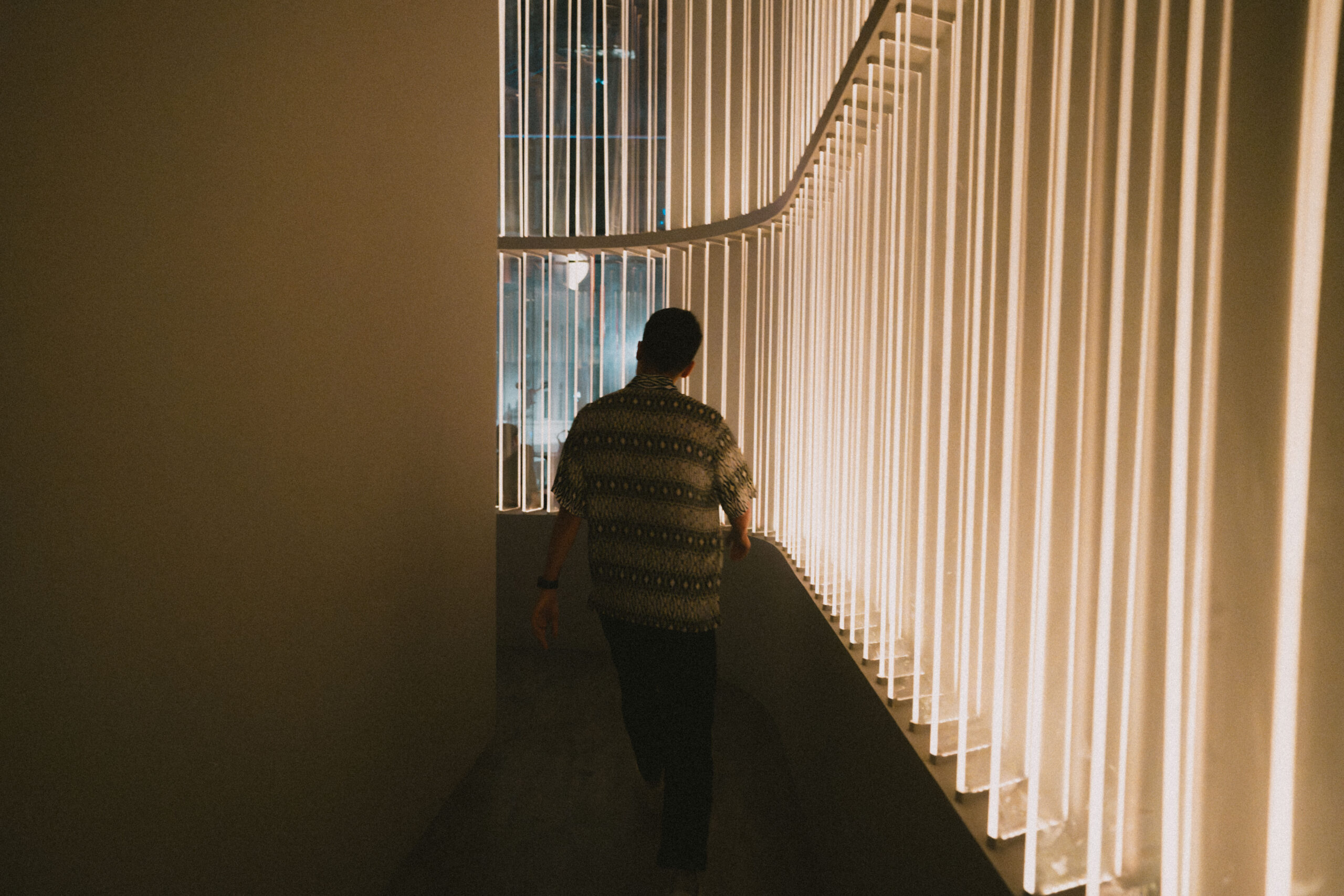
That reality helps explain why RASA’s multi-use model is so central to its future. Food, private events, daytime programming and cultural projects are part of building something capable of lasting. “We want to continue improving the sound, production and physical flexibility of the venue, while developing a programme that moves naturally between music, food, art, community and nightlife.” Musically, that does not simply mean chasing increasingly famous headliners. The team wants to develop collaborations, live performances, listening sessions and multidisciplinary formats while continuing to connect important international artists with local and regional talent.
For RASA, the dance floor remains important, but it is only one part of the story. In a city where independent cultural spaces face considerable pressure, the ambition is ultimately not just to build another successful club, but to create something that contributes more broadly to Singapore’s cultural landscape: a place where music can lead somewhere beyond the dance floor.
More info on RASA
Instagram | RA