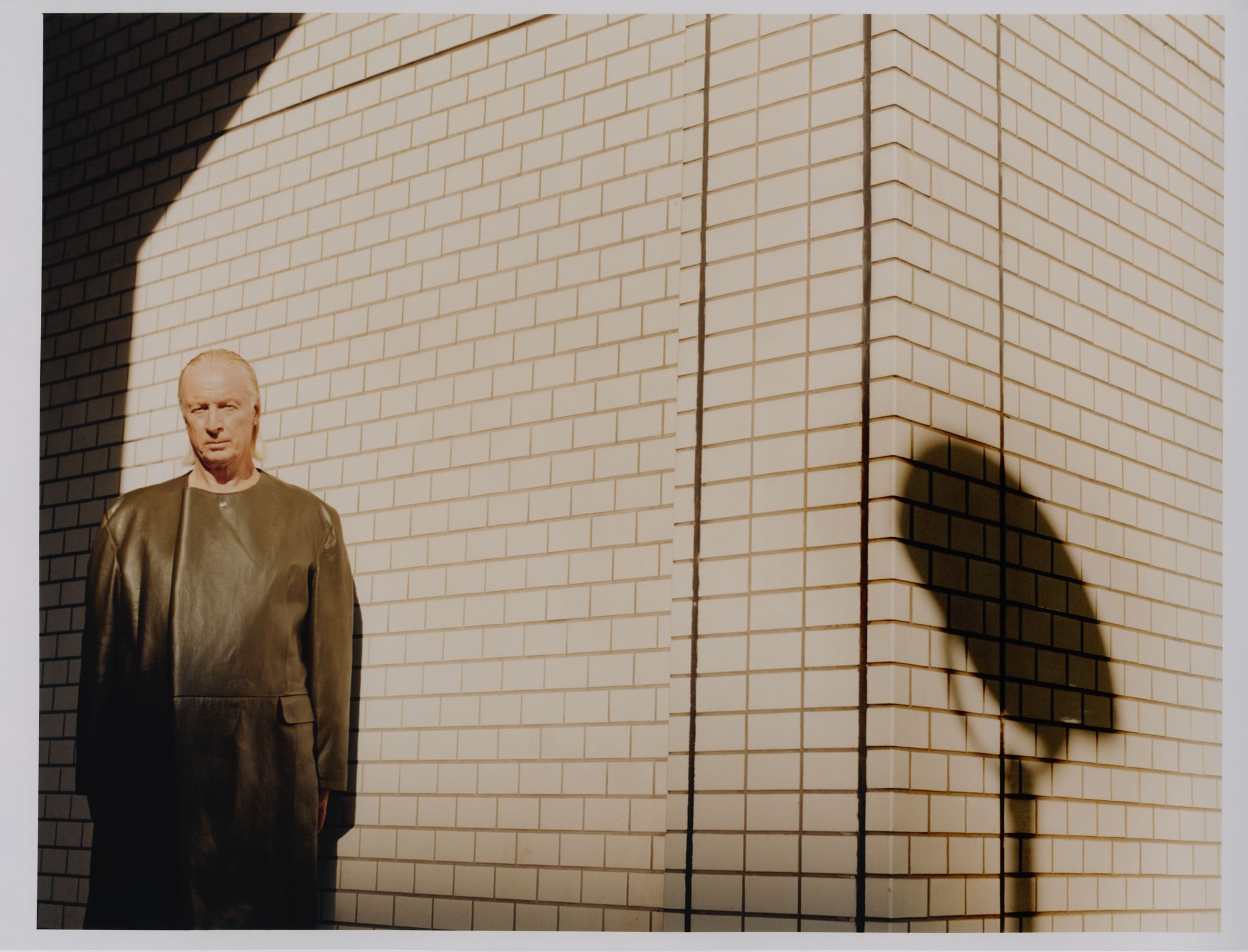
There is no denying DJ Hell’s credentials as one of the forefathers of electronic music. Helmut Geier and his record label International DeeJay Gigolos has been responsible for some of dance music’s most outstanding moments and too many to count. With the advent of his latest studio album “Neoclash”, we had the privilege of speaking with DJ Hell…
With a long and storied history in the music industry, we went back in time to learn more about the beginnings of DJ Hell. Long before the inception of his cornerstone label International DeeJay Gigolos, we quizzed Helmut on what was going on prior to the creation of this originating alias, “My alias creates a dialect of light and darkness and reflects modern dance club culture as a kinda underworld. My early steps into DJ culture started already when I was 14 years old, so now I have been into this universe for 50 years in 2026. My life is Hell.”
Having cited Davie Bowie in the past as influences at this time, DJ Hell goes on to explain who he wished to emulate within the music industry, “When I started my label International DeeJay Gigolo Records in 1996 I said I wanted it to be the Beastie Boys inside techno culture and be open for all influences and all directions and create a Gigolo universe. Another big influence was Andy Warhol with his NYC Factory and my concept was to open a Gigolo Berlin Factory where people can go visit and watch us working on new music and videos and graphic design or any kind of fashion collaboration. David Bowie said once: “it’s not who does it first, it’s who does it second” – so I was following this idea and went my own road and worked on true innovations my whole career. Or better follow Bob Dylan’s words – “if you don’t want to do it, I will.”
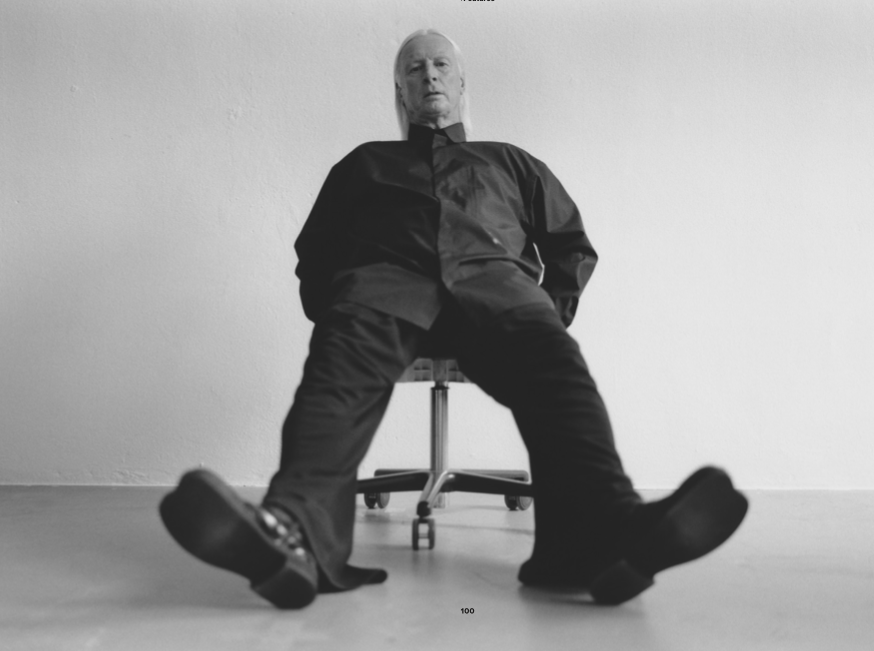
With the late 70s being such a formative era for music of all descriptions, the influence of synthesizers and latterly drum machines was undeniable. With vinyl being the only format available for some time, it was interesting to understand the beginnings of one of the longest standing DJ careers, “The late 70s in Germany’s DJ culture was quite different to what it has become nowadays, but I already played my favourite music in front of people and made them dance. I was already presenting new music from England called New Wave or No Wave from NYC or Synth Pop from all over Europe. The record collections were owned by the club and you needed to be nominated as a resident dj to get access to it.”
For a point of reference as to his sound at the time, DJ Hell goes on to note some of the big tracks that he was playing –
Tuxedomoon – No Tears
Devo – Mongoloid
Ian Dury – Hit Me With Your Rhythm Stick
Kraftwerk – Roboter
Fun Boy Three – Faith and Hope and Charity
Klaus Nomi – cold song
Erick B and Rakim – Paid in Full
Coldcut – Everything
Einstürzende Neubauten – Kollaps
Killing Joke – Love Like Blood
Stranglers – Golden Brown
Material – Don’t Lose Control
Talking Heads – Burning Down The House
DAF- Der Räuber und der Prinz
XTC – Making Plans for Nigel
The name DJ Hell has long since become synonymous with innovation at every turn, but knowing at that time that his work was seen as influential is perhaps a bigger question. None the less he explains his and others standing in the industry at this exciting time, “In the beginning of my career I lost jobs because I was not able to make compromises with my music so it was tough the first 15 years. To my understanding it was always about experimenting and looking for new ways of doing what I am doing. I tried to learn as much as possible from other djs and for that I needed to travel to NYC and London or Berlin to see how they act, how they work, how they communicate. Tony Humphries was untouchable in the 80s and he made people cry and dance and celebrate house music. Jeff Mills was doing the same in techno music and was going into so many different territories and setting new standards so he was always a big mentor of mine. It’s difficult to understand why people lose interest in any kind of innovation, especially inside the electronic music community.”
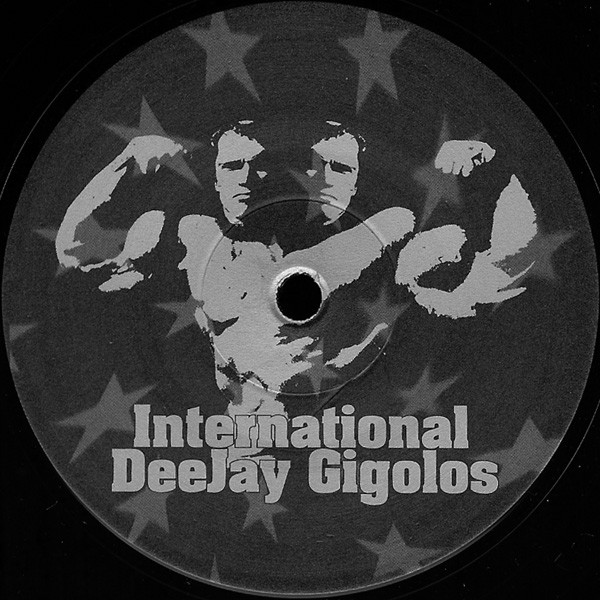
With such a wealth of musical history contained within the discography of International DeeJay Gigolos, there is at times, no separating DJ Hell from the label and vice versa. We put to Helmut the topic of why he created such an imprint that would go on to become much more than just a record label, “It was primarily out of artistic and philosophical necessity, not for big ambition. I wanted to create an anesthetic world for free thinking minds and respond to the limits of the existing techno industry. This was almost a manifesto, and I called it later on – the megachurch of gigolo, including fashion, cinema, pop art, queer culture – it became a multidisciplinary art label. The visual identity, artist personas and narratives mattered as much as the sound. It was creating a platform for outsiders and it helped to become “electroclash”, a new musical genre I named.”
Even after just a few years of operation, Hell’s label had already stacked up a hugely diverse array of artists and by the turn of the century that roster included Jeff Mills, Chris Korda, Miss Kittin & The Hacker, Zombie Nation, Dopplereffekt, Dave Clarke, and countless others. It was interesting to get Hell’s hindsight take on if this was a conscious decision to have such a diverse roster of artists, “It was an unusually diverse roster of artists and it went beyond genre strategies. Diversity was a way to resist dogma, so it was more about attitude and the internationalism was the way to go. The roster was a curatorial philosophy and the parties were more like art exhibitions.” While discussing the label and its output there will inadvertently be situations where perhaps momentary lapses or mistimings meant that there would be missed opportunities. Hell notes some of the missed releases, “There are unreleased albums from Alan Vega or Dopplereffekt and many unheard Zombie Nation material.”
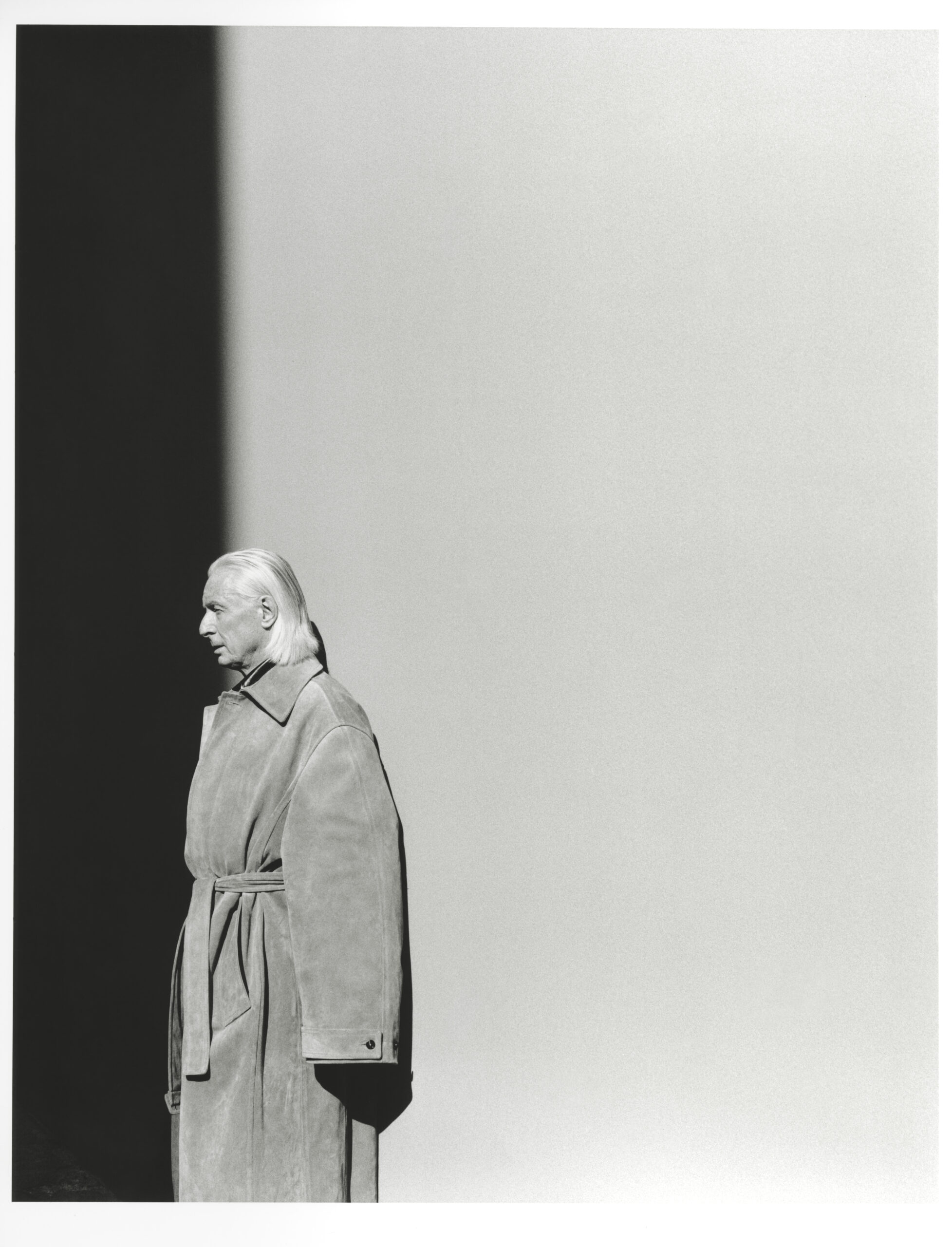
As well as many other genres, Electroclash is a sub genre that is intrinsically linked to DJ Hell and his imprint. As the term has been in existence for several decades now, often is the case that artists linked to genres and time capsule sounds fall out of the love with the term, this does not seem to be the case with Hell, “I was the figure to make it possible and named it around 2000 to get all more into a formula. I invented the genre and released most of the key songs to this genre over the years on Gigolo Records 25 years ago. The genre became a media label and sold out pretty fast so everybody moved on. So the question now is, will it become electroclash zeitgeist again in 2026?”
Continuing the International DeeJay Gigolo journey, Helmut goes on to explain what is on the horizon for the label, “Here we go and many new artists are on the way in 2026 and all releases are ready to go. Hyperstellar, German Brigante, Captain Mustache, Naomi Koi x Hell, Kaiser Souzai, Andrew Red Hand, Sawlin, Skatman and many more.”
Posing a massive question on the continuation of his artist and label evolution, Hell was candid in his explanation of his creative journey, “It’s more like a philosophical and curatorial approach to music, culture, and identity. By constantly positioning my work in tension I generate innovation naturally. Innovation comes from trial and error and remixing the world. It’s all built into my workflow and it’s nothing extraordinary. I treat music as a multidimensional cultural experiment, curating influences across fields, rejecting formulas and testing ideas in the studio and the club. It’s a lifestyle.” This continues into his comment on any difficulty he has faced, “I’ve not felt that feeling yet.“
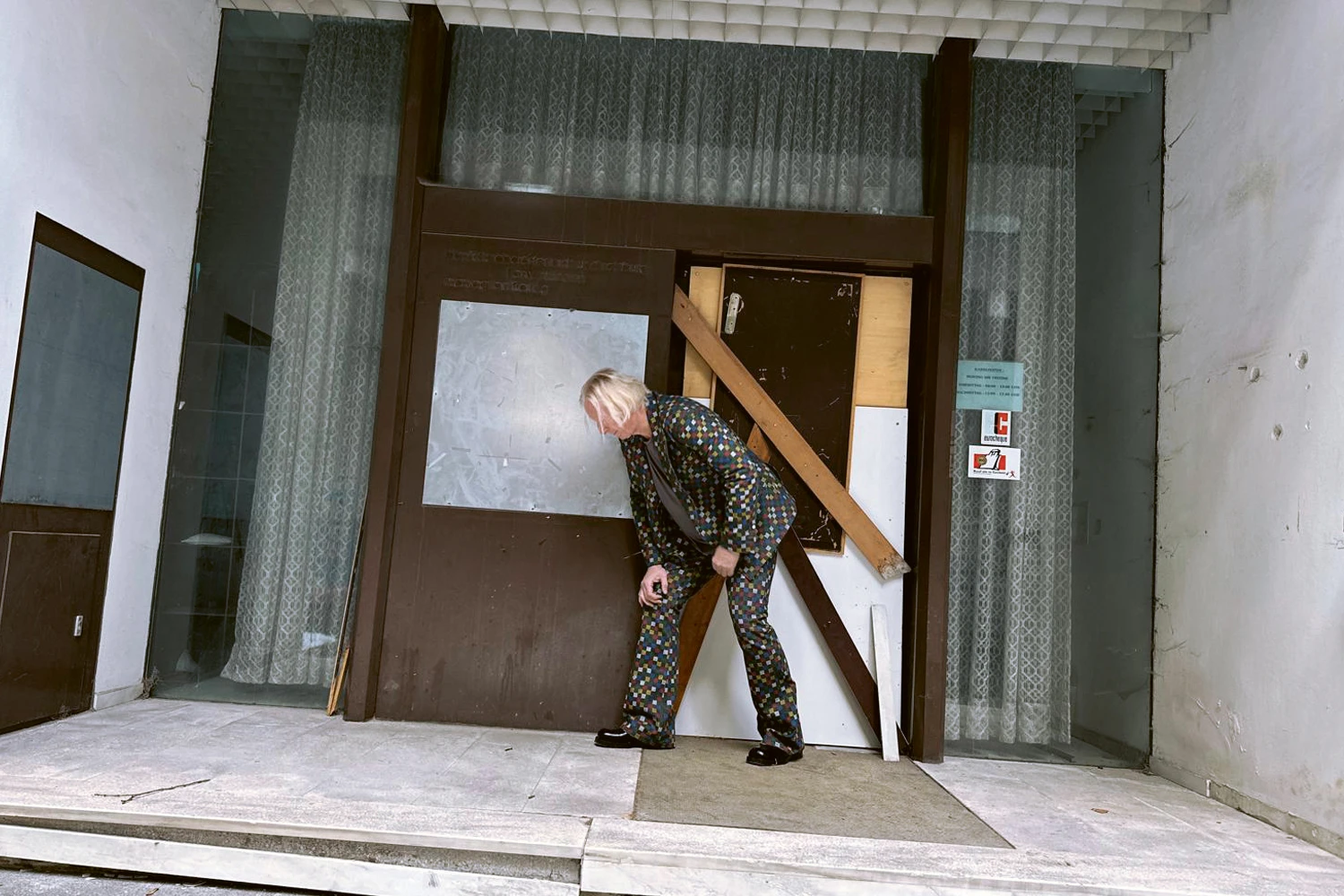
Having long blurred the lines between electronic music and high fashion, Hell has made the fashion world a mainstay in his career. This has seen him collaborate with a number of high profile fashion houses that include last year’s partnering with DRYKORN, Balenciaga, and Agent Provocateur. This is by no means a recent addition to Hell’s life, “I once said – if you make 365 photos of my everyday look – you will have 365 different outfits and fashion statements. I grew up in Germany during the 70s and 80s, a period rich in youth subcultures like punk, new wave or disco. These movements weren’t just about music – they were performance statements, including clothes, hairstyles, and attitude. There was a big no future movement around that time with special codes. Fashion to me is part of any artistic identity and expression.”
He goes on to explain how he chooses who to collaborate with in the art and fashion world, “Very simply – does it fit into my world or can it bring me to another level artistically. There was a collaboration with a Berlin painter called Meese x Hell – called “Gesamtklärwerk Deutschland” on Buback Records. Nobody in the UK paid attention to this great partnership but it was great!”
Collaboration has been an important aspect of Hell’s success and his 2009 album “Teufelsberg” being a perfect example of the heights that he has elevated himself to. Having worked with the very best in the music industry, Hell explains further, “To meet Brian Ferry was one of the highlights in my dj career.” He goes on discuss collaboration further and give insight to future projects, “Many ideas and concepts are not fulfilled yet. Right now I am working on my Biography and hopefully there will be a documentation about the last 30 years of Gigolo Records.”
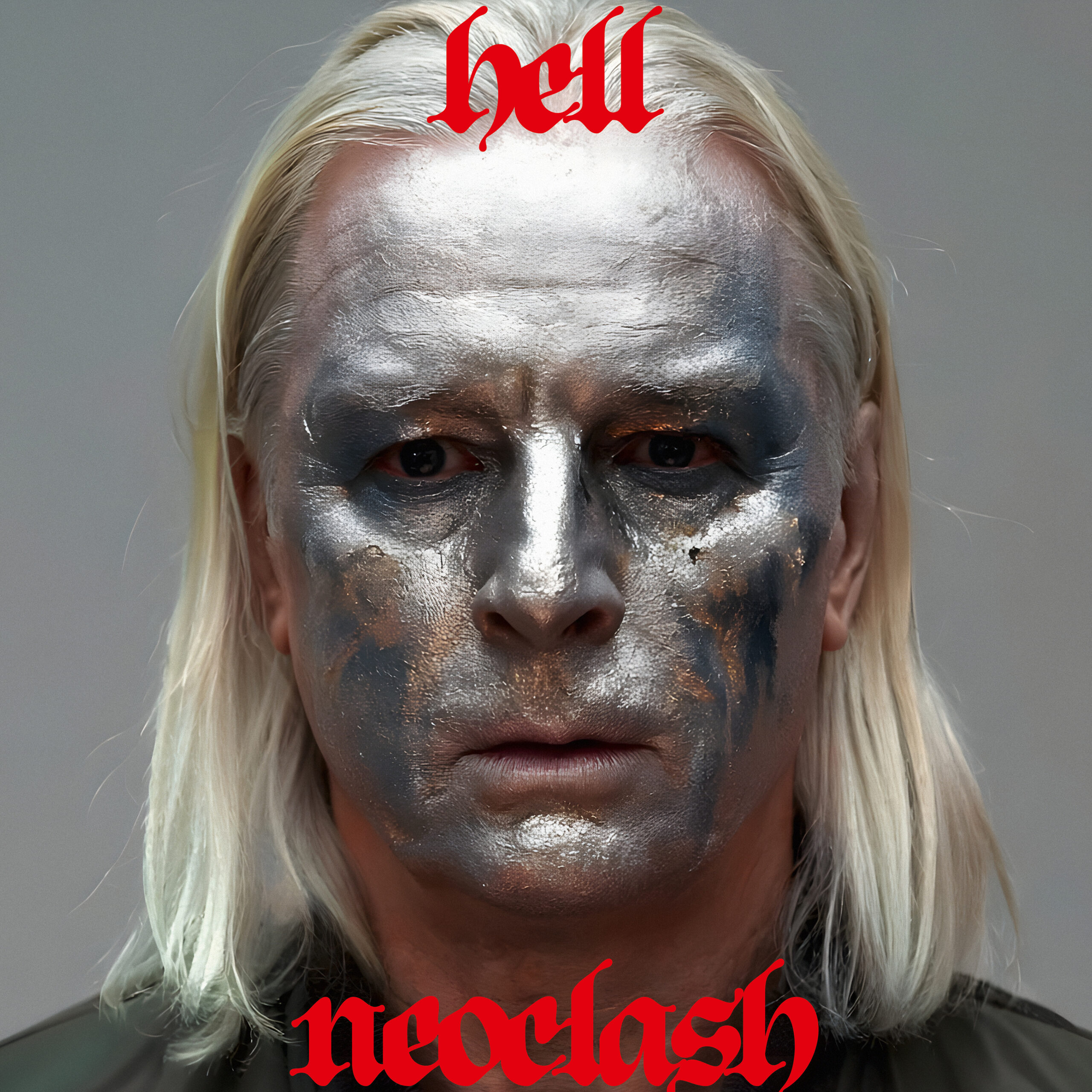
Moving on to discuss Hell’s latest body of work “Neoclash”, a collection of heavy hitting club tracks that trace the lineage of house and techno from the 80s to current day. Taking influence from the tracks that moved a generation, Hell has reimagined some of these classic moments and added his creative touch for the modern dancefloor. Hell goes some way to explain his reason for recording this new incendiary LP, “I’m really proud of the new LP and hope the album brings back the golden years whilst also looking into the future of club music at the same time.” At first glance, “Neoclash” seems to be a serious ode to the original molds for house and techno. Helmut agrees with this sentiment, “It was very serious and 100% significant.”
Wishing for his music to do the talking, Hell signs off by noting his thoughts on the album and his future work, “The selection reflects more the experience of listening and feeling, rather than a strict checklist. Electroclash becomes Neoclash in 2026. I like to step on new ground and go where no man has gone before. This is my life and this will continue till the end of my days.”
DJ Hell – Neoclash is now available digitally here and on vinyl via Juno, Amazon, and One Eye Witness,
More info on DJ Hell
Website | Instagram | Facebook | RA | Soundcloud | Bandcamp | Discogs